英语
英语 俄语
俄语 西班牙语
西班牙语 德语
德语
Home / Author / Linnea Qiao — International Sales Manager / Advanced 12–25kg Automatic Washer Extractors for Professional Laundry Operations

Kingstar is your trusted partner for industrial and commercial laundry equipment. We specialized in the R&D and manufacturing of high-end industrial washers, commercial washers and dryers. Meanwhile, we provide global clients with comprehensive planning, layout workflow design, and software-hardware integration services for smart laundry plants.
Linnea Qiao — International Sales Manager
Sep 16,2026
Advanced 12–25kg Automatic Washer Extractors for Professional Laundry Operations
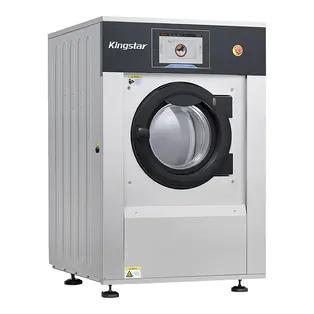
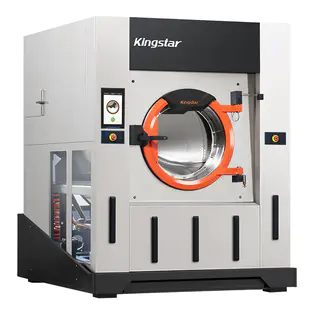
Professional laundry operations require equipment that can deliver consistent cleaning, dependable extraction, efficient resource consumption, and safe operation under demanding workloads. The Standard Washer 12/15/20/25kg series is designed to meet these requirements with a range of automatic washer extractors developed for commercial laundries, hotels, hospitals, industrial facilities, uniform services, and other textile-care businesses.
Available in four capacity configurations, the series gives operators the flexibility to select a machine that matches their daily workload. The SHS-2012 handles loads from 5 to 12kg, the SHS-2015 handles 5 to 15kg, the SHS-2020 handles 8 to 20kg, and the SHS-2025 handles 8 to 25kg. Each model combines programmable washing, high-speed extraction, stainless steel construction, intelligent load management, electronic safety controls, and a compact soft-mount design.
These washer extractors are manufactured by Jiangsu Chuandao Intelligent Equipment Co., Ltd., a specialist supplier of commercial laundry machinery in China. The company focuses on the development, production, and customization of industrial washing machines, washer extractors, industrial dryers, commercial dryers, and related laundry equipment. Its manufacturing approach combines customized drum processing, carefully selected components, structured quality control, and practical design improvements aimed at long-term professional use.
Unlike basic washing machines intended for domestic or light-duty applications, the Standard Washer series is engineered for continuous commercial operation. Its high extraction factor, programmable control system, multiple dosing connections, low-vibration suspension, and robust transmission system help businesses improve throughput while maintaining reliable washing results.
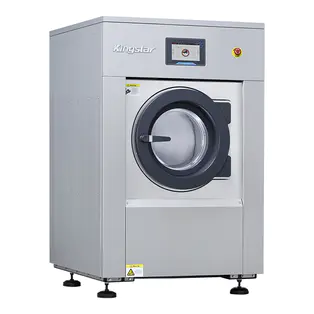
Standard Washer 12/15/20/25kg
1. The Role of Automatic Washer Extractors in Modern Laundry Facilities
Commercial laundry work involves much more than placing textiles into a drum and adding detergent. Every load must be processed according to fabric type, soil level, hygiene requirements, water temperature, chemical concentration, extraction requirements, and drying capacity. A professional washer extractor must therefore offer greater control and durability than a conventional washing machine.
An automatic washer extractor performs two essential functions in one machine. It washes textiles using controlled mechanical action, water, temperature, and chemistry, and it then extracts water through high-speed spinning. Removing as much moisture as possible before drying reduces the workload placed on the dryer. This can shorten drying cycles, reduce energy consumption, and improve the overall productivity of the laundry room.
For hotels, the equipment may be used for sheets, towels, pillowcases, table linens, robes, and staff uniforms. Hospitals and healthcare facilities may process patient clothing, bed linens, gowns, towels, and other textiles requiring strict hygiene procedures. Industrial companies may use the machines for protective garments, workwear, uniforms, and cleaning cloths. Laundromats and professional textile-service companies may need flexible programs for a wide variety of customer loads.
These applications have different washing requirements, but they share several expectations: stable performance, repeatable results, safe operation, efficient water and chemical use, and minimal downtime. The Standard Washer series addresses these needs through a combination of automation, strong construction, and configurable operating parameters.
1.1 From Manual Washing to Programmable Processing
Historically, commercial laundry operations depended heavily on manual labor. Washing, rinsing, wringing, and transferring textiles required significant time and physical effort. As laundry volumes increased, semi-automatic equipment was introduced to improve productivity. Modern washer extractors represent the next stage of this development by integrating washing, rinsing, water removal, and programmable control in a single unit.
The advantage of automation is not simply speed. It also improves consistency. A programmed cycle can repeat the same water levels, washing times, temperature settings, extraction speeds, and chemical dosing sequence for every load. This reduces variation between operators and makes it easier for a laundry manager to establish standard operating procedures.
The Standard Washer series supports customized washing programs and one-touch operation. Operators can select a suitable cycle rather than manually controlling every stage. Experienced users may create programs for specific textile categories, while less experienced staff can use predefined or simplified operating sequences.
2. Product Range and Capacity Selection
The Standard Washer series includes four models designed around practical professional laundry capacities. The available models are SHS-2012, SHS-2015, SHS-2020, and SHS-2025. The model number corresponds broadly to the maximum nominal washing capacity, while actual load selection should take account of textile density, fabric construction, moisture absorption, and the required washing action.
Model |
Washing Capacity |
Drum Volume |
Transmission Power |
Electrical Heating Power |
Overall Dimension |
Weight |
SHS-2012 |
5–12kg |
120L |
1.5kW |
12kW |
890 × 885 × 1480mm |
395kg |
SHS-2015 |
5–15kg |
150L |
1.5kW |
12kW |
890 × 1077 × 1480mm |
400kg |
SHS-2020 |
8–20kg |
200L |
2.2kW |
18kW |
980 × 1050 × 1570mm |
455kg |
SHS-2025 |
8–25kg |
200L |
3kW |
18kW |
980 × 1160 × 1570mm |
465kg |
The smaller models are suitable for businesses with moderate daily laundry volumes, restricted floor space, or a need to separate different textile categories. The larger 20kg and 25kg models are appropriate for facilities processing heavier loads, including hotel bedding, healthcare linens, workwear, and commercial customer orders.
Because the series covers several capacities, a facility can choose a machine that reduces underloading and overloading. Operating a machine that is too small can increase cycle frequency and labor requirements. Operating a machine that is too large for most loads can reduce efficiency because the drum may not be used effectively. A capacity range allows the equipment investment to be matched more closely to the actual workflow.
2.1 High-Speed Extraction for Improved Workflow
All four models provide a washing and spinning speed range of 30 to 850rpm and an extraction factor of 300G. The high extraction factor is one of the most important advantages of the series because it helps remove a substantial amount of residual water before the textiles enter the dryer.
Pre-extraction affects the entire laundry process. When textiles leave the washer with less retained moisture, the dryer can complete its work more quickly. Shorter drying times may improve daily capacity and help reduce energy consumption. The reduction in dryer operating time can be particularly valuable in hotels, hospitals, and industrial laundry facilities where multiple loads are processed continuously.
High-speed extraction must be combined with suitable balance control, suspension, and door safety. The Standard Washer series uses a low-vibration suspension and shock absorber system to support stable operation during high-speed spinning. The electronic door lock also prevents access until the extraction cycle has fully stopped.
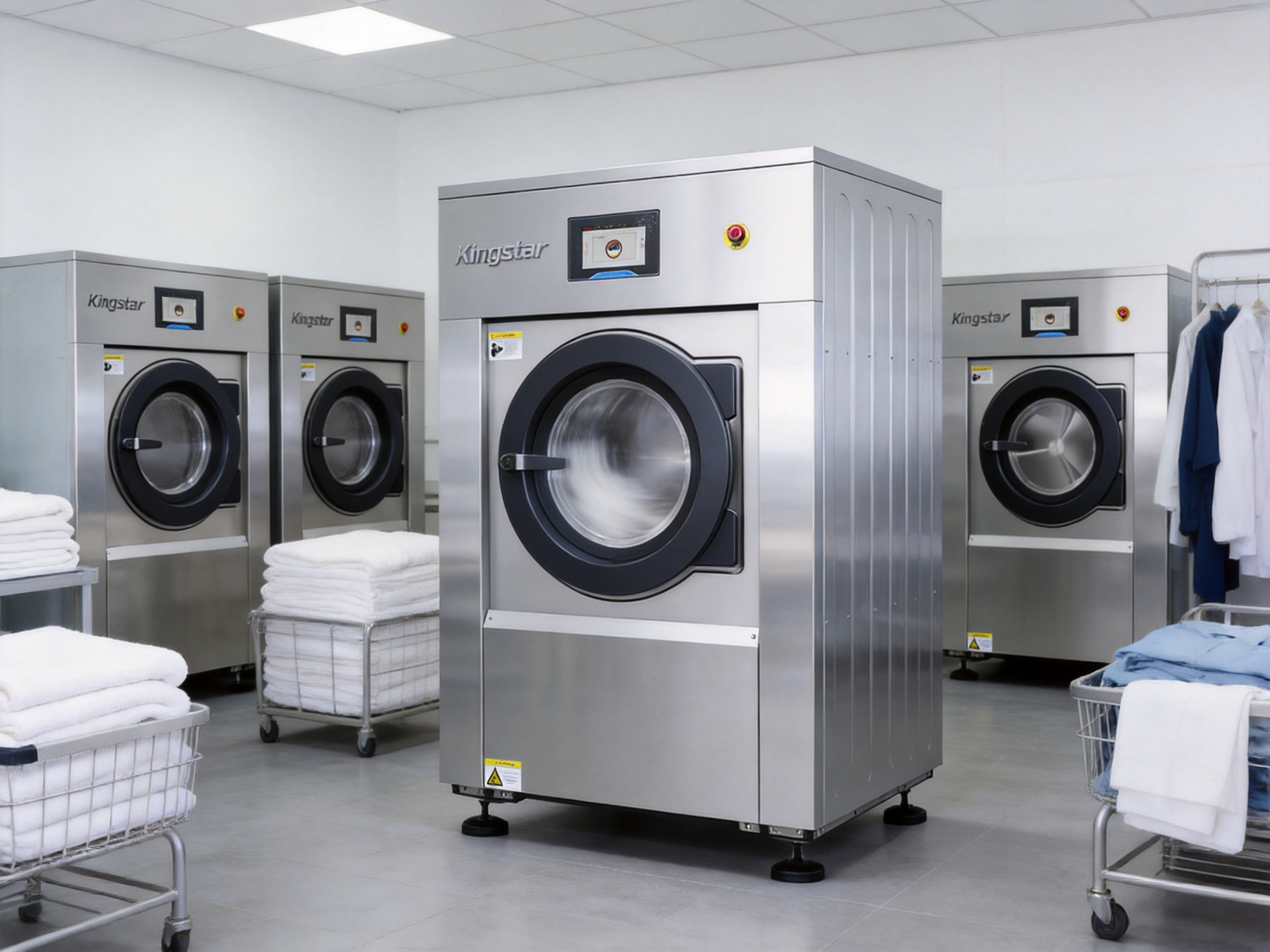
3. Advanced Suspension and Low-Vibration Operation
Vibration is a major concern in commercial laundry rooms. Excessive movement can cause noise, accelerate mechanical wear, damage surrounding structures, and create safety issues for operators. It can also make installation more difficult if a machine requires a specially prepared foundation.
The Standard Washer series uses an advanced suspension and shock absorber system designed to control vibration during washing and extraction. German-branded dampers are incorporated into the suspension structure, helping the machine remain stable across a range of floor conditions. The soft-mount design can reduce the need for a dedicated foundation when the installation environment is suitable and the floor meets the required structural standards.
Low-vibration operation provides several practical benefits. Operators can work in a more comfortable environment with less noise and movement. The machine can be positioned more flexibly within a laundry layout. Reduced vibration can also help protect bearings, transmission components, fasteners, and the surrounding floor from unnecessary stress.
The stated noise level is no more than 70dB. Actual perceived noise may vary according to installation conditions, floor construction, load distribution, building acoustics, and maintenance status. Nevertheless, the combination of suspension design, balanced operation, and robust construction provides a strong foundation for controlled commercial laundry performance.
4. 304 Stainless Steel Construction
Water, detergents, disinfectants, heat, and textile residues place constant demands on the internal surfaces of a washer extractor. Low-quality materials may corrode, discolor, collect deposits, or create maintenance problems over time. The Standard Washer series uses 304 stainless steel for the inner drum, outer cylinder, and all principal water-contact surfaces.
304 stainless steel is widely used in professional laundry and food-service equipment because of its corrosion resistance and hygienic surface characteristics. Its smooth finish helps reduce the accumulation of residues and makes routine cleaning easier. It also supports long-term structural stability in a wet operating environment.
The inner drum is manufactured with model-specific perforation thicknesses. The SHS-2012 and SHS-2015 use 1.2mm inner drum perforation material, while the SHS-2020 and SHS-2025 use 1.5mm material. Each model uses 3.5mm drum holes. These specifications are selected to balance water flow, textile protection, structural strength, and reliable operation.
In addition to improving resistance to corrosion, stainless steel construction helps protect washing quality. A well-maintained stainless steel drum provides a clean surface for repeated textile processing. This is particularly important for healthcare, hospitality, and uniform applications where hygiene and textile appearance are closely monitored.
4.1 Customized Drum Processing
The manufacturer uses an Italian customized inner drum processing machine as part of its production approach. Specialized drum processing equipment helps improve the accuracy and repeatability of drum fabrication. Consistent perforation, shaping, alignment, and finishing are important because irregularities can affect textile movement, water circulation, and long-term drum balance.
Advanced processing also supports the production of drums with different diameters and depths for different capacities. The SHS-2012 and SHS-2015 use an inner drum diameter of 650mm, with depths of 372mm and 465mm respectively. The SHS-2020 and SHS-2025 use a 750mm diameter, with depths of 455mm and 566mm. This approach allows each model to provide a suitable working volume without using a single oversized drum design for every capacity.
Manufacturing accuracy is especially important for high-speed extraction. A drum must rotate smoothly and remain structurally stable under changing load conditions. Precision processing, suitable materials, and quality assembly work together to support safe and reliable operation.
5. Intelligent Control Through a 10-Inch Touchscreen
The control interface is one of the most visible differences between basic washing equipment and modern professional machinery. The Standard Washer series uses a 10-inch full-color HD LCD touchscreen. The interface is designed to support both customized programming and one-touch operation.
A clear touchscreen can make the laundry process easier to manage. Operators can view program selections, adjust settings, monitor cycle progress, and follow operating instructions from one centralized panel. The larger display is especially useful in busy laundry environments where staff need to identify the correct cycle quickly.
Programmability is important because different textiles require different treatment. Towels may need strong mechanical action and thorough rinsing. Fine fabrics may require gentler movement and lower extraction settings. Healthcare textiles may require specific temperature, chemical, and rinse procedures established by the facility. Industrial workwear may need longer washing and pre-wash stages to remove oil, dust, or other contaminants.
By supporting personalized programs, the washer extractor can be adapted to the operating standards of an individual laundry. A facility can create procedures for regular linen, heavily soiled workwear, colored garments, delicate textiles, disinfecting cycles, or water-saving operations. This flexibility is a major advantage over machines with limited fixed programs.
5.1 One-Touch Operation and Operator Consistency
One-touch operation helps reduce the complexity of routine laundry work. Once approved programs have been configured, operators can select the required process without manually entering every parameter. This may reduce training requirements and help maintain consistent operation across different shifts.
Automation does not eliminate the need for proper loading, sorting, chemical handling, or maintenance. However, it reduces the number of variables that an operator must control during each cycle. This is valuable for facilities with multiple employees, changing shifts, or seasonal labor requirements.
The touchscreen also supports a more organized management approach. Supervisors can standardize programs, define operating practices, and encourage staff to use approved cycles. When combined with proper textile sorting and chemical management, programmable control can contribute to more predictable washing quality.
6. Intelligent Load Weighing and Resource Management
Using the correct quantity of water is essential for both washing quality and operating efficiency. Too little water may prevent textiles from moving properly or distributing chemicals evenly. Too much water can increase consumption, heating requirements, wastewater volume, and cycle cost.
The Standard Washer series includes an intelligent load weighing system that automatically detects the weight of the load and adjusts the water volume accordingly. This feature helps the machine respond to different load sizes instead of applying the same water quantity to every cycle.
Load-based water management may also reduce the amount of energy required for heating. When less water is used for a smaller load, less energy is needed to raise the water to the target temperature. Detergent consumption can also be managed more effectively when the washing process is matched to the load size.
Resource efficiency is important for commercial laundries because water, electricity, steam, detergent, wastewater treatment, and labor all contribute to operating costs. Even modest savings per cycle can become significant when a machine runs multiple cycles every day. The load weighing function therefore supports both environmental objectives and practical cost control.
Actual savings depend on the selected program, load composition, water temperature, chemical system, facility utilities, and operator practices. The feature is most effective when the laundry uses well-designed programs and avoids overloading or underloading the drum.
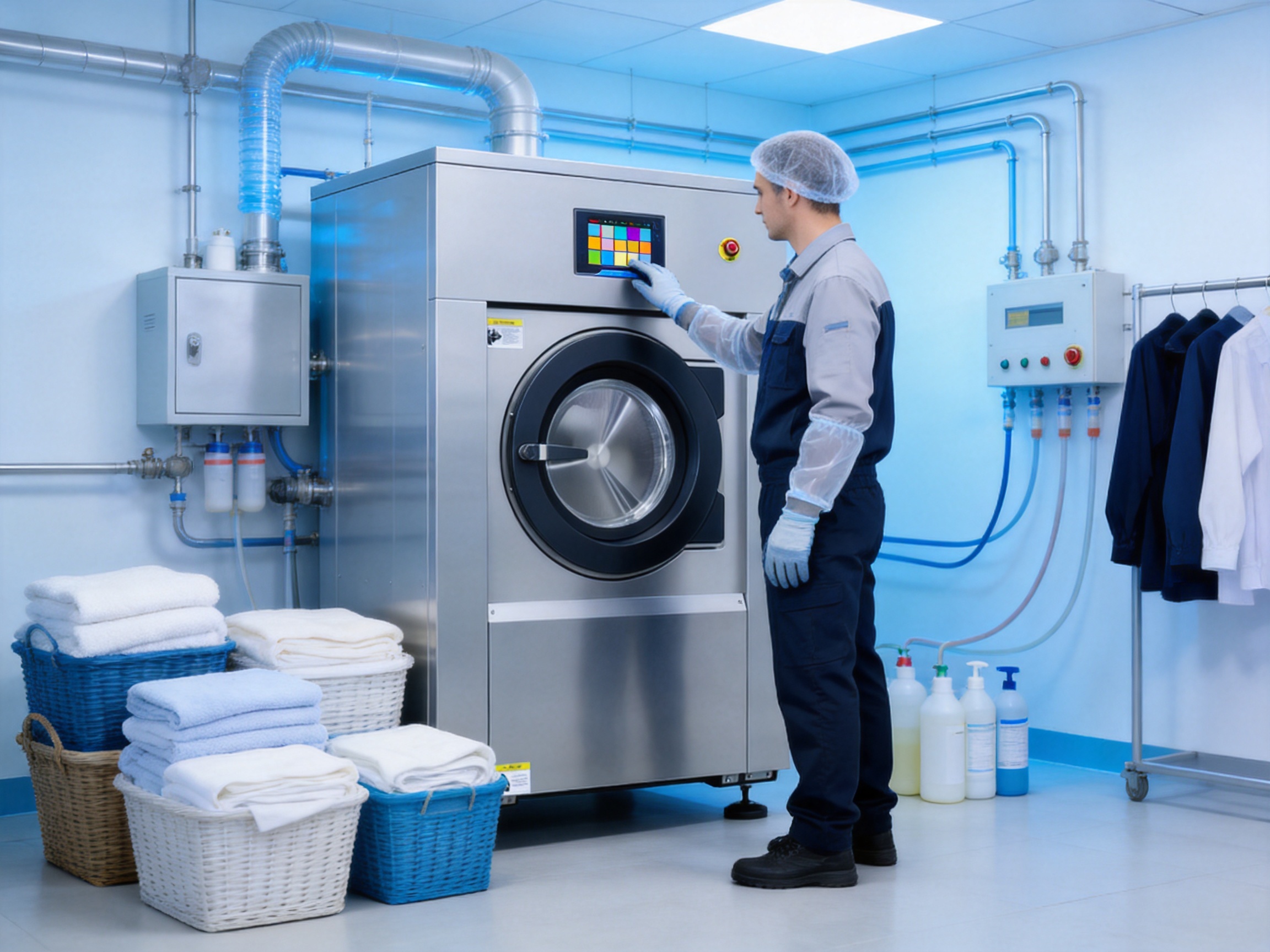
7. Optional Automatic Chemical Dosing
Correct chemical dosing is essential for cleaning performance, textile protection, hygiene, and cost management. Manual dosing can result in variation between operators and may cause overuse or underuse of detergent, alkali, bleach, softener, or other process chemicals.
The Standard Washer series provides an optional automatic dosing system with an open-signal interface. The interface is compatible with dispensers from different brands, allowing the washer extractor to be integrated into an existing chemical management system or connected to a new dosing solution selected by the customer.
Automatic dosing can deliver chemicals at the correct stage of the program and in a controlled quantity. This improves repeatability and may reduce chemical waste. It also minimizes the need for operators to handle chemicals manually, supporting a cleaner and more organized laundry environment.
The machine provides nine automatic dosing ports. The available connections allow a laundry to configure a chemical sequence suited to its process. For example, a program may use separate products for pre-washing, main washing, bleaching, neutralizing, softening, or special treatment. Exact chemical selection and dosing levels should always be determined by the textile type, soil level, local regulations, and chemical supplier recommendations.
The open-signal arrangement is particularly useful for professional laundries that do not want to be tied to a single chemical equipment provider. It can support flexible system integration and make it easier to upgrade or replace dosing equipment in the future.
8. Electronic Door Locking and Operator Safety
Safety is a fundamental requirement for any high-speed washer extractor. During extraction, the drum rotates at high speed and must not be accessible. The Standard Washer series uses an electronic door lock system controlled by software.
The door remains locked until the high-speed extraction cycle has fully completed. This prevents accidental opening while the drum is rotating and helps protect operators from contact with moving components, water, or unstable loads. The locking system also encourages a safer operating sequence by ensuring that the machine reaches a safe condition before access is permitted.
Door safety is supported by correct loading and maintenance procedures. Operators should never attempt to bypass a safety lock, force the door open, or operate the machine with damaged seals or defective interlocks. Routine inspection of the door, gasket, locking mechanism, and control system should be included in the facility’s maintenance program.
For healthcare, hospitality, and industrial facilities, visible safety features can also contribute to better staff training. Clear procedures help employees understand that a commercial washer extractor is high-performance equipment requiring disciplined operation.
9. Transmission Design and Long-Term Durability
The transmission system transfers motor power to the drum and must withstand repeated acceleration, deceleration, washing movement, and high-speed extraction. Weak or poorly aligned transmission components can lead to noise, vibration, downtime, and expensive repairs.
The Standard Washer series uses a three-bearing main transmission design. The three-bearing structure is intended to provide strong support for the rotating assembly and distribute operating forces more effectively. This design contributes to stable rotation and supports the durability of the main drive system.
The machine uses a custom-built main motor supplied by a publicly listed manufacturer. The motor is selected to deliver the required torque and speed control for professional washing and extraction. Transmission power is 1.5kW for the SHS-2012 and SHS-2015, 2.2kW for the SHS-2020, and 3kW for the SHS-2025.
A well-designed transmission system can help reduce maintenance requirements, but no commercial machine is maintenance-free under all conditions. Actual service life depends on load size, cycle frequency, water quality, chemical concentration, installation, operator practices, and preventive maintenance. The manufacturer states that the main transmission can support up to 10 years of maintenance-free operation under normal working conditions and that the whole unit is engineered for a service life of up to 20 years.
The equipment is supplied with a comprehensive two-year warranty covering the whole machine. Warranty conditions, exclusions, installation requirements, and service arrangements should be confirmed with the supplier before purchase.
10. Imported Electrical and Mechanical Components
Component quality has a direct effect on machine reliability. Electrical controls, contactors, wiring, plugs, bearings, and other parts must function consistently in an environment that includes moisture, heat, vibration, detergent, and frequent switching.
The manufacturer uses electrical components sourced from recognized international suppliers. The supplied specifications identify Schneider contactors from France, TWB bearings from the United States, and wiring and plugs from internationally recognized manufacturers. These components are selected to support dependable control, power transmission, and electrical safety.
Using established component suppliers can also make maintenance more manageable. Familiar components may be easier for qualified technicians to identify, inspect, and replace. However, replacement parts should always meet the original specifications and be installed by trained personnel.
The use of imported or internationally sourced components is part of the company’s broader strategy of combining customized manufacturing with carefully selected external technologies. Rather than relying only on a single production source, the machine integrates specialized parts where they can contribute to control stability, mechanical performance, or service life.
11. Heating Options and Utility Connections
The Standard Washer series can be configured for professional laundry utility requirements. The listed electrical heating power is 12kW for the SHS-2012 and SHS-2015, and 18kW for the SHS-2020 and SHS-2025. Steam pressure is specified at 0.2–0.4MPa, while inlet water pressure is also specified at 0.2–0.4MPa.
Each model includes a DN20 inlet water connection and DN20 hot water pipe connection. The drain pipe diameter is 76mm, and the steam valve connection is DN15. These dimensions should be reviewed by the project engineer or installation contractor before delivery so that the laundry room’s water, steam, electrical, drainage, and ventilation systems are correctly prepared.
The standard operating voltage shown in the specification is 380V, three-phase, 50Hz. The available voltage options include several single-phase and three-phase configurations from 200–240V and 380–415V. Since electrical standards differ between countries and regions, the required voltage, phase, frequency, breaker size, cable specification, and heating configuration should be confirmed before production and shipment.
Correct utilities are essential for performance. Insufficient water pressure may affect filling time and chemical distribution. Poor drainage may extend cycle times or create hygiene concerns. Incorrect electrical supply can damage components or create a safety hazard. Professional installation is therefore an important part of achieving the expected performance of the machine.
12. Manufacturing Strengths and Quality-Oriented Production
Jiangsu Chuandao Intelligent Equipment Co., Ltd. positions its production capability around commercial laundry machinery and customized equipment supply. The company’s manufacturing strengths are reflected in the combination of specialized drum processing, stainless steel fabrication, imported electrical components, structured assembly, and product customization.
12.1 Specialized Production Equipment
The use of an Italian customized inner drum processing machine demonstrates an emphasis on precision in one of the most important parts of a washer extractor. Drum accuracy influences balance, water flow, textile movement, and extraction stability. Specialized equipment supports repeatable manufacturing results across different machine models.
12.2 Integration of International Components
The company combines its own equipment production and assembly capabilities with components from international suppliers. Bearings, contactors, motors, wiring, plugs, dampers, and other parts are selected according to their role in the system. This strategy helps the manufacturer provide a machine that combines local production efficiency with recognized component technologies.
12.3 Product Customization
Commercial laundry businesses often have requirements that differ from standard retail products. They may need a particular voltage, heating method, chemical dosing arrangement, control program, drum capacity, installation layout, or branding configuration. As a supplier of OEM and ODM commercial washer extractors, the company can discuss customized solutions according to project needs.
Customization should be defined during the technical stage of an order. Important information includes the textile types to be processed, expected daily load, utility conditions, available floor space, drainage layout, chemical system, local electrical standard, and desired program structure. Clear technical communication helps ensure that the final machine is suitable for its intended environment.
12.4 Focus on Professional Laundry Applications
The equipment is developed for sectors where washing performance and operating continuity are important. The company’s product range includes industrial washing machines, hospital washing machines, industrial dryers, commercial washer extractors, stacked washer and dryer systems, stack dryers, and commercial dryers. This product focus allows the supplier to understand the relationship between washing, extraction, drying, workflow, and laundry-room planning.
13. Advantages Compared with Conventional Commercial Washers
The Standard Washer series offers several advantages over conventional commercial washing machines with simpler controls or lighter construction.
13.1 More Flexible Washing Programs
Basic machines may provide only a limited selection of fixed cycles. The programmable touchscreen of the Standard Washer series allows operators to create or select cycles for different textiles and soil levels. This flexibility is valuable for businesses serving multiple customers or processing varied textile categories.
13.2 Higher Extraction Performance
A 300G extraction factor can reduce the amount of water transferred to the dryer. Conventional lower-speed machines may leave more residual moisture, increasing drying time and energy consumption. The Standard Washer series is designed to improve the transition between washing and drying.
13.3 Better Resource Control
Intelligent load weighing adjusts water volume to the load. Optional automatic dosing improves chemical accuracy. Together, these features can reduce waste and make the cost of each cycle more predictable than manual water and detergent management.
13.4 Improved Safety
The electronic door lock provides protection during high-speed extraction. The machine is designed to prevent access until the drum has stopped. This is a significant safety improvement over equipment with less sophisticated locking or operator control systems.
13.5 More Stable Installation
The advanced suspension and shock absorber system supports low-vibration operation and may reduce the need for a dedicated foundation. Conventional rigid-mount machines can require more extensive floor preparation, especially when installed in upper-floor or renovated facilities.
13.6 Long-Term Materials and Components
304 stainless steel water-contact surfaces, a three-bearing main transmission, and internationally sourced electrical components support the machine’s durability. These features are intended for professional use rather than occasional domestic operation.
13.7 Capacity Options for Different Businesses
The four available capacities allow a facility to select a machine that matches its workload and floor plan. This is more practical than using one standard capacity for every application. Businesses can also combine different models to process small, medium, and large loads more efficiently.
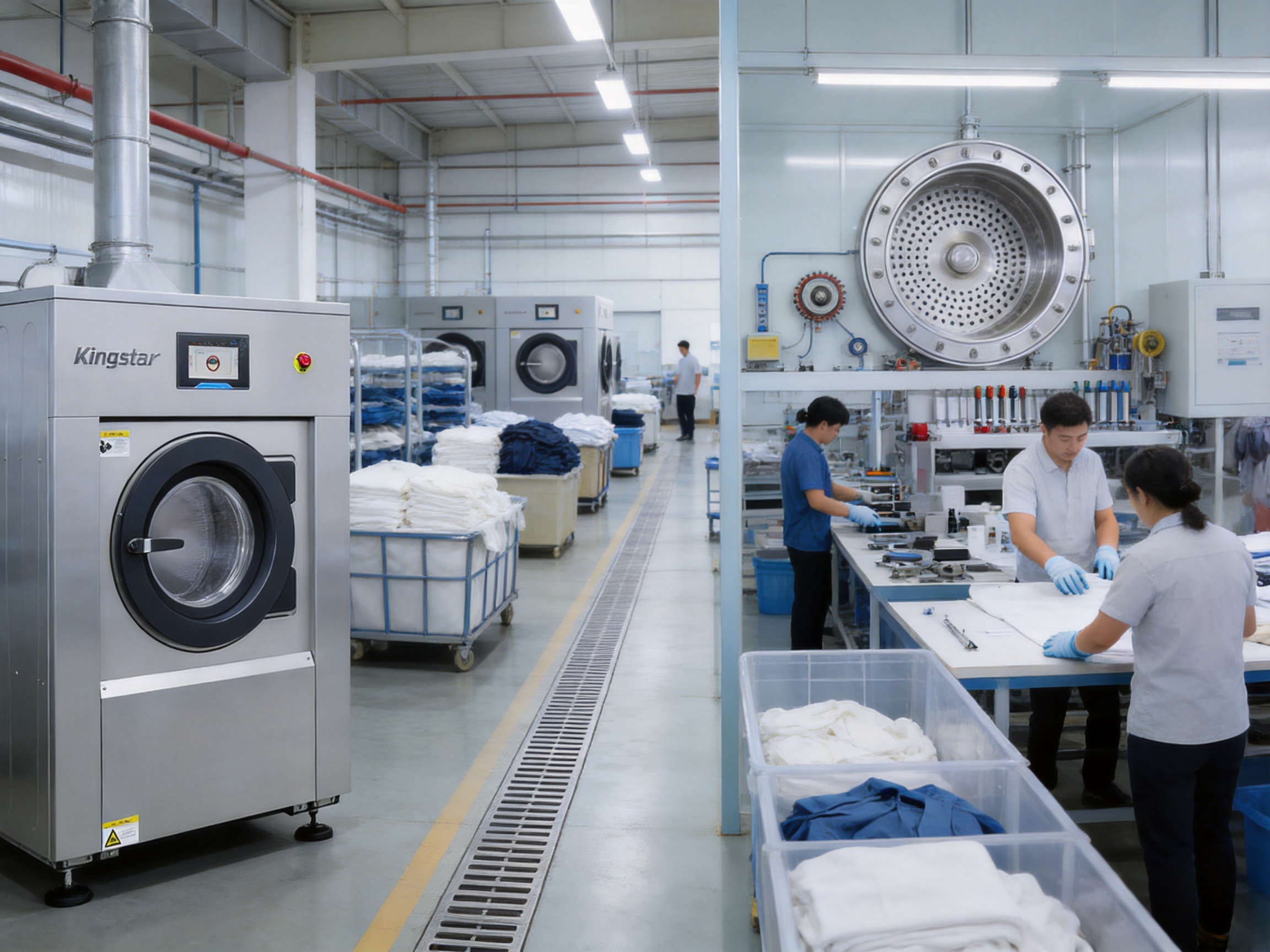
14. Applications in Different Industries
14.1 Hotels and Resorts
Hotels process a continuous flow of bed linens, towels, tablecloths, uniforms, and guest laundry. The Standard Washer series can help hotels organize these loads through capacity selection and programmable cycles. High extraction reduces moisture before drying, while stainless steel surfaces support long-term hygiene and easier cleaning.
A hotel may use smaller models for staff uniforms and guest garments and larger models for towels and bedding. The ability to customize wash programs allows the laundry manager to establish separate cycles for white linens, colored textiles, heavily soiled items, and delicate materials.
14.2 Hospitals and Healthcare Facilities
Healthcare laundry requires careful separation, controlled processing, and consistent results. Patient gowns, bed linens, towels, uniforms, and other healthcare textiles may require specialized washing and disinfection procedures. The programmable control system can support facility-approved programs, while the optional dosing system can deliver chemicals in a controlled sequence.
Hospitals should determine their own hygiene protocols in consultation with infection-control professionals, textile specialists, and chemical suppliers. The washer extractor is a processing tool and must be integrated into a complete laundry procedure that includes sorting, storage, transportation, chemical management, and validation.
14.3 Industrial Workwear and Uniforms
Industrial garments may be exposed to oil, dust, grease, metal particles, food residues, chemicals, and other contaminants. The Standard Washer series provides programmable washing stages and high extraction performance suited to the needs of workwear processing.
Different industrial garments may require different procedures. Protective clothing, high-visibility garments, flame-resistant fabrics, and ordinary uniforms should not automatically be processed in the same way. Appropriate cycle programming and textile-care instructions are necessary to preserve garment performance.
14.4 Laundromats and Textile-Service Companies
Laundromats and textile-service providers need equipment that can handle frequent operation and varied customer requirements. A range of capacities gives these businesses flexibility in arranging machines according to customer demand. Automatic programs can also make operation easier for staff and reduce the risk of inconsistent cycle selection.
For textile-service companies, throughput is closely connected to extraction. When each load leaves the washer with less residual water, drying and finishing operations may move more quickly. This can support higher daily output without requiring a proportional increase in labor or drying capacity.
15. Installation and Operational Considerations
Before installation, the customer should verify the dimensions, access route, floor capacity, utility connections, drainage, ventilation, and service clearance. The overall dimensions range from 890 × 885 × 1480mm for the SHS-2012 to 980 × 1160 × 1570mm for the SHS-2025. The machine weights range from 395kg to 465kg, so transportation and positioning should be planned carefully.
The machine should be placed on a level and structurally suitable floor. Although the suspension system is designed to reduce vibration and may avoid the need for a dedicated foundation, the installation surface must still be strong and properly prepared. The final installation method should follow the supplier’s technical documentation and local safety regulations.
Utility connections should be completed by qualified professionals. Water, hot water, steam, drainage, and electrical systems must be compatible with the machine’s specifications. The power supply should match the confirmed voltage and phase configuration. A suitable protective device, grounding arrangement, and emergency procedure should be established before operation.
Operators should receive training in sorting, loading, program selection, chemical handling, door safety, emergency stopping, and routine cleaning. Overloading the machine can reduce washing quality, increase vibration, and place additional stress on the drive system. Underloading may reduce efficiency and create unbalanced conditions in some applications. Loads should be prepared according to the selected program and textile type.
16. Maintenance and Service Practices
Preventive maintenance helps protect the investment and maintain consistent washing performance. Daily checks may include inspecting the door seal, removing textile residues, checking the drum for foreign objects, cleaning detergent areas, and confirming that drainage is unobstructed.
Periodic maintenance should include inspection of bearings, dampers, belts or transmission components where applicable, electrical connections, dosing lines, water valves, steam valves, filters, and safety interlocks. The frequency of inspection depends on usage, water quality, chemical concentration, and operating environment.
Stainless steel surfaces should be cleaned with suitable products that do not damage the material. Harsh or incompatible chemicals may affect seals, hoses, coatings, or metal surfaces. Chemical dosing equipment should be calibrated and checked regularly to ensure that the correct amount of product is delivered.
Any unusual noise, excessive vibration, leakage, failure to lock the door, inconsistent water level, or abnormal extraction behavior should be investigated promptly. Continued operation with a known fault may cause additional damage or create a safety risk.
The company’s two-year whole-machine warranty provides additional protection for the customer, subject to the applicable terms. Customers should retain purchase records, installation documents, maintenance records, and service reports. These documents can support warranty claims and help technicians understand the machine’s operating history.
17. Selecting the Right Model
The best model is determined by more than maximum load capacity. Businesses should consider average load size, peak demand, textile categories, available utilities, floor space, future expansion, and the relationship between washer and dryer capacity.
The SHS-2012 is suitable for smaller professional operations or facilities that need a compact machine for loads up to 12kg. The SHS-2015 provides additional capacity while maintaining a similar width and height. The SHS-2020 and SHS-2025 are designed for larger loads and higher-volume applications, with increased transmission and heating power.
Facilities should avoid selecting equipment solely on the basis of the largest possible load. If most daily loads are small, a combination of capacities may provide better flexibility. If the facility processes large quantities of towels, bedding, or workwear, the larger models may reduce the number of cycles required.
The required voltage and heating method should also be confirmed early. A machine intended for a 380V three-phase supply may need a different configuration for a 200–240V installation. Steam availability may influence the preferred heating arrangement, while local water pressure and drainage conditions may affect installation planning.
18. Frequently Asked Questions
Q1: What is the maximum capacity of the Standard Washer series?
The largest model, SHS-2025, has a nominal maximum washing capacity of 25kg. The series also includes 12kg, 15kg, and 20kg configurations for different commercial laundry requirements.
Q2: What is the difference between a washer extractor and a regular washing machine?
A washer extractor is designed for professional washing and high-speed moisture removal. It combines washing with powerful extraction, programmable controls, commercial construction, and safety systems intended for frequent operation. A regular household washing machine is generally designed for lower daily workloads and less demanding operating conditions.
Q3: Does the machine require a special foundation?
The advanced suspension and shock absorber system is designed to support low-vibration operation and may eliminate the need for a dedicated foundation when the floor is suitable. The installation surface must still be level, structurally sound, and compliant with the supplier’s requirements.
Q4: What extraction factor does the machine provide?
All four models are specified with a 300G extraction factor. This high extraction performance helps remove moisture before drying and may reduce drying time and energy use.
Q5: Is automatic chemical dosing included?
Automatic dosing is an optional feature. The machine provides an open-signal interface compatible with dosing systems from different brands and includes nine automatic dosing ports.
Q6: What materials are used in the water-contact areas?
The inner drum, outer cylinder, and principal water-contact surfaces are constructed from 304 stainless steel. This material provides corrosion resistance, a hygienic surface, and improved durability in a wet laundry environment.
Q7: Can operators create customized wash programs?
Yes. The 10-inch full-color HD LCD touchscreen supports customized programming as well as one-touch operation. Programs can be adapted to textile type, soil level, temperature, washing time, rinsing, and extraction requirements.
Q8: What safety feature prevents the door from opening during extraction?
An electronic door lock controlled by software keeps the door locked until the high-speed extraction cycle has fully completed. Operators should never attempt to bypass or force the safety system.
Q9: What power supply is available?
The standard specification lists 380V, three-phase, 50Hz. Available voltage configurations include several 200–240V and 380–415V single-phase and three-phase options. The required configuration must be confirmed before ordering.
Q10: What industries can use these washer extractors?
The machines are suitable for professional laundries, hotels, hospitals, healthcare facilities, industrial companies, uniform services, laundromats, textile-service companies, and other operations that process commercial quantities of textiles.
Q11: How long is the warranty?
The product information states that the whole machine is covered by a two-year warranty. Customers should confirm the detailed warranty terms, exclusions, service coverage, and installation conditions with the supplier.
Q12: How should a customer choose between the four models?
Selection should be based on average and peak load size, daily throughput, textile type, available space, electrical supply, heating method, drainage, and future expansion plans. A technical consultation can help match the model to the facility’s workflow.
19. Conclusion
The Standard Washer 12/15/20/25kg series is designed as a professional solution for businesses that require more than basic washing. Its four capacity options, 300G extraction factor, programmable touchscreen, intelligent load weighing, optional automatic dosing, electronic door lock, 304 stainless steel construction, low-vibration suspension, and three-bearing transmission provide a comprehensive equipment platform for commercial laundry operations.
The product’s advantages come from the way these features work together. High-speed extraction supports faster drying. Load weighing helps manage water and heating demand. Automatic dosing improves chemical consistency. Stainless steel surfaces support hygiene and corrosion resistance. The suspension system helps stabilize the machine. Programmable control gives operators greater flexibility, while the door lock protects users during extraction.
Jiangsu Chuandao Intelligent Equipment Co., Ltd. strengthens the product through specialized manufacturing processes and an international component strategy. Customized inner drum processing, carefully selected electrical and mechanical components, and a focus on OEM and ODM requirements allow the company to provide equipment suited to different commercial laundry projects.
For hotels, hospitals, industrial facilities, laundromats, and textile-service providers, the Standard Washer series can support a more organized, efficient, and dependable laundry workflow. Proper model selection, professional installation, correct loading, suitable wash programming, and preventive maintenance will help customers obtain the best long-term value from the equipment.
References
1. Product technical specification sheet for the Standard Washer 12/15/20/25kg series.
2. Commercial Laundry Equipment Design and Operating Principles, technical reference material.
3. Industrial Textile Care and Laundry Process Management, professional training reference.
4. Stainless Steel Selection for Wet-Process Commercial Equipment, materials engineering reference.
5. Guidelines for Commercial Washer Extractor Installation, Safety, and Preventive Maintenance.
6. Textile Washing Chemistry and Automatic Dosing Practices, laundry operations reference.
7. Commercial Laundry Energy and Water Efficiency Management, facility operations reference.
Product: Standard Washer 12/15/20/25kg

ADD:No.388 Xinggang Road, Chongchuan District, Nantong City, 226000, Jiangsu Province, China.
-
Phone: +86-13917089379
-
Tel:+86-13917089379
-
Fax:+86-0513-85663366
-
E-mail:louislu@kingstarlaundry.com
products