英语
英语 俄语
俄语 西班牙语
西班牙语 德语
德语
Home / Author / Yutong Cai — Customer Solutions Specialist / Commercial Coin-Operated Softmount Washer: Flexible Installation, Efficient Extraction, and Reliable Business Performance

Kingstar is your trusted partner for industrial and commercial laundry equipment. We specialized in the R&D and manufacturing of high-end industrial washers, commercial washers and dryers. Meanwhile, we provide global clients with comprehensive planning, layout workflow design, and software-hardware integration services for smart laundry plants.
Yutong Cai — Customer Solutions Specialist
Aug 23,2026
Commercial Coin-Operated Softmount Washer: Flexible Installation, Efficient Extraction, and Reliable Business Performance
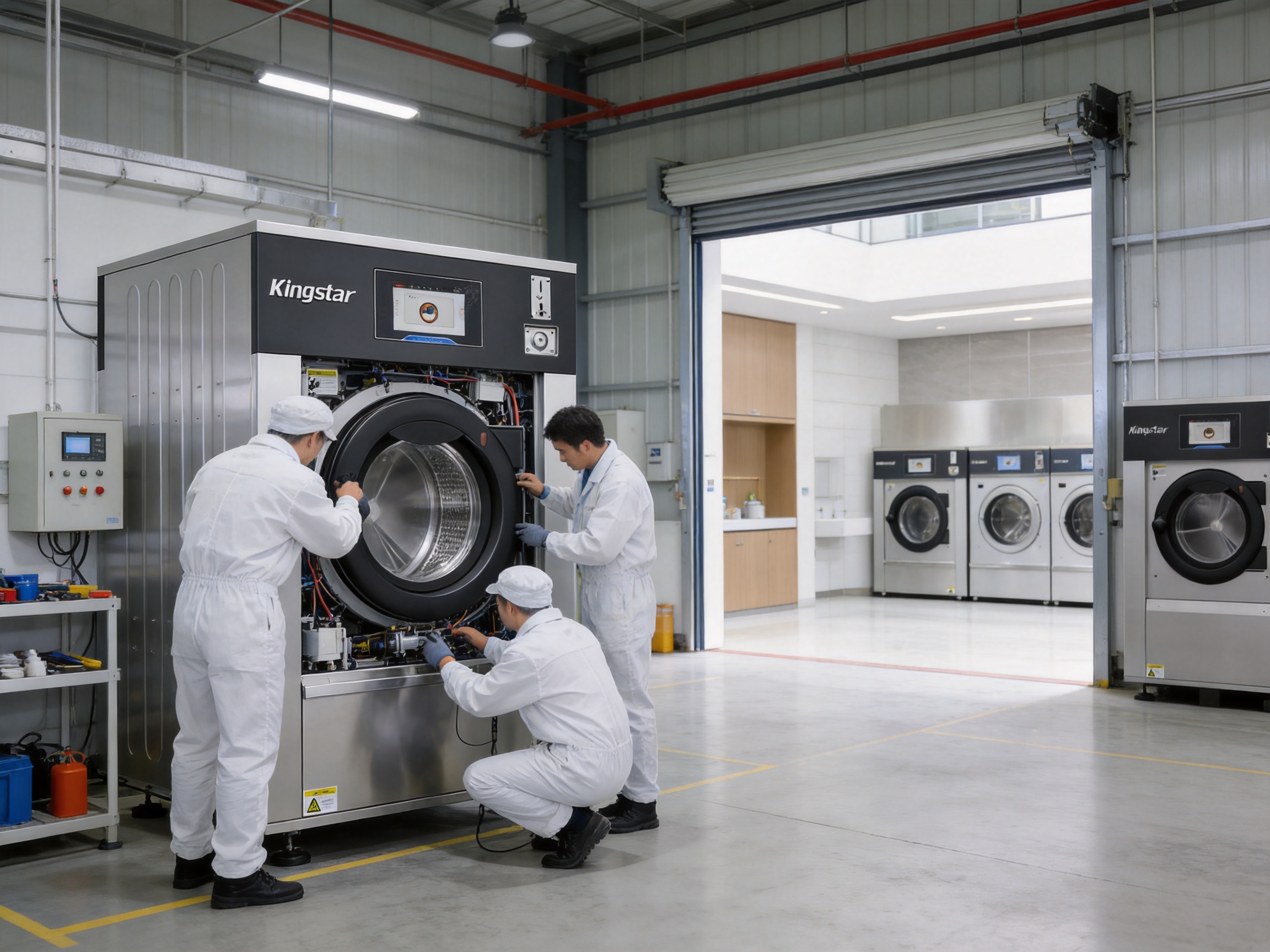
Commercial laundry operators need equipment that can withstand frequent use, control operating costs, protect garments, and deliver a convenient customer experience. A coin-operated softmount washer addresses these requirements by combining commercial-duty construction with a suspension system that reduces vibration and simplifies installation. Available in 12 kg, 15 kg, 20 kg, and 25 kg capacities, this washer series is designed for laundromats, apartment laundry rooms, hotels, hostels, student housing, healthcare facilities, and other shared laundry environments.
Unlike many household washing machines, the product is engineered for repeated commercial cycles. Unlike traditional hardmount washer-extractors, it does not depend on a rigid floor-bolting arrangement or a specially reinforced foundation. Its suspension spring and shock absorption structure allow the machine to manage high-speed extraction while maintaining stable operation on a wide variety of floors. This creates greater flexibility for businesses installing laundry equipment in upper-level rooms, residential buildings, renovated properties, and facilities where structural construction must be minimized.
The product is manufactured by Jiangsu Chuandao Intelligent Equipment Co., Ltd., whose Kingstar laundry equipment line focuses on commercial washing machines, washer-extractors, dryers, and related laundry machinery. The company provides equipment for professional users that require dependable mechanical performance, practical controls, durable materials, and adaptable configurations. Its manufacturing approach combines stainless steel fabrication, precision assembly, imported electrical components, programmed control systems, and inspection of core operating functions.
This article examines the construction, performance, commercial advantages, manufacturing strengths, installation requirements, payment options, maintenance considerations, and application potential of the coin-operated softmount washer.
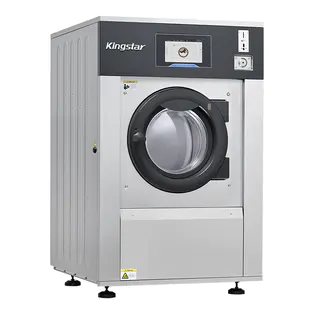
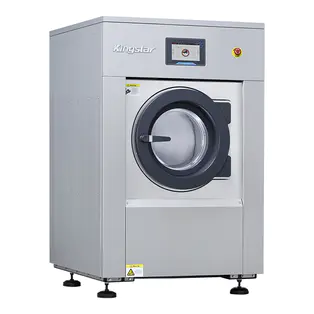
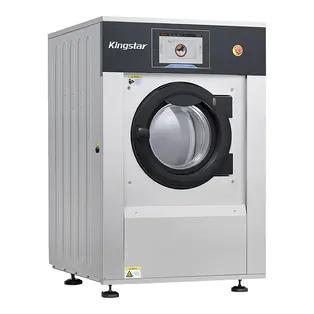
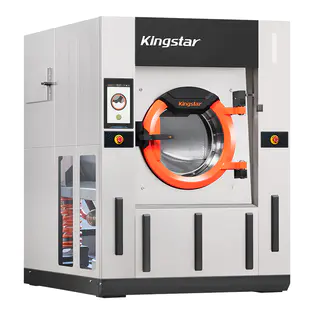
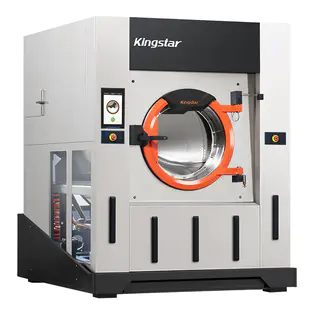
Coin-Operated Softmount Washer(12/15/20/25kg)
What Is a Coin-Operated Softmount Washer?
A coin-operated softmount washer is a commercial front-loading washing machine equipped with a flexible suspension system and a payment-control interface. The term “softmount” refers to the machine’s vibration isolation design. Instead of transferring extraction forces directly into a rigid foundation, the washer uses suspension springs and shock absorbers to control movement inside the cabinet. As a result, it can generally be installed on a standard, properly prepared floor without being permanently bolted to a reinforced concrete base.
The coin-operated function allows a customer to pay before starting a washing cycle. Depending on the selected configuration, payment may be accepted through coins, cards, rechargeable laundry cards, QR-based systems, or other compatible payment devices. The payment system communicates with the washer’s control computer, enabling the operator to define the price, activate selected programs, and manage access to the machine.
Softmount equipment is especially valuable in locations where construction flexibility is important. A laundromat may operate in a retail unit, while an apartment complex may place machines in a basement, corridor, or upper-floor laundry room. Hotels and student residences may need to install washers in existing buildings without undertaking major structural work. The softmount design helps reduce these installation limitations.
The washer series includes four principal models. The SHS-2012C handles loads from 5 to 12 kg, the SHS-2015C handles loads from 5 to 15 kg, the SHS-2020C handles loads from 8 to 20 kg, and the SHS-2025C handles loads from 8 to 25 kg. This range enables operators to select capacity according to floor space, customer demand, textile type, and expected daily throughput.
Core Specifications and Capacity Options
The washer series operates at a standard rated voltage of 380 V, three-phase, 50 Hz, while the equipment is also available in a range of voltage configurations subject to project requirements. The washing and spinning speed range is 30 to 850 rpm. A maximum extraction speed of 850 rpm and a dehydration factor of 300 G help remove a substantial amount of residual water before drying.
Drum volumes range from 120 L to 250 L. The 12 kg model has a 120 L drum, the 15 kg model has a 150 L drum, the 20 kg model has a 200 L drum, and the 25 kg model has a 250 L drum. The machines use electric heating, with electrical heating power of 12 kW on the 12 kg and 15 kg models and 18 kW on the 20 kg and 25 kg models.
| Model | Nominal Capacity | Drum Volume | Transmission Power | Electrical Heating Power | Overall Dimension | Weight |
|---|---|---|---|---|---|---|
| SHS-2012C | 5–12 kg | 120 L | 1.5 kW | 12 kW | 890 × 885 × 1480 mm | 395 kg |
| SHS-2015C | 5–15 kg | 150 L | 1.5 kW | 12 kW | 890 × 1077 × 1480 mm | 400 kg |
| SHS-2020C | 8–20 kg | 200 L | 2.2 kW | 18 kW | 980 × 1050 × 1570 mm | 455 kg |
| SHS-2025C | 8–25 kg | 250 L | 3 kW | 18 kW | 980 × 1160 × 1570 mm | 465 kg |
All models are specified with operating noise of no more than 70 dB and a 300 G dehydration factor. Each machine provides nine automatic dosing ports, allowing connection to an automatic chemical dispensing system. Inlet water pressure is specified at 0.2–0.4 MPa. The inlet and hot-water pipe connections are DN20, while drain pipe dimensions vary by model.
The inner drum diameter and depth are engineered according to capacity. The 12 kg and 15 kg machines use a 650 mm inner drum diameter, while the 20 kg and 25 kg machines use a 750 mm diameter. The perforated sheet thickness is 1.2 mm on the smaller models and 1.5 mm on the larger models. These specifications provide a practical balance between drum strength, textile handling, usable volume, and long-term commercial operation.
Softmount Suspension and Low-Vibration Performance
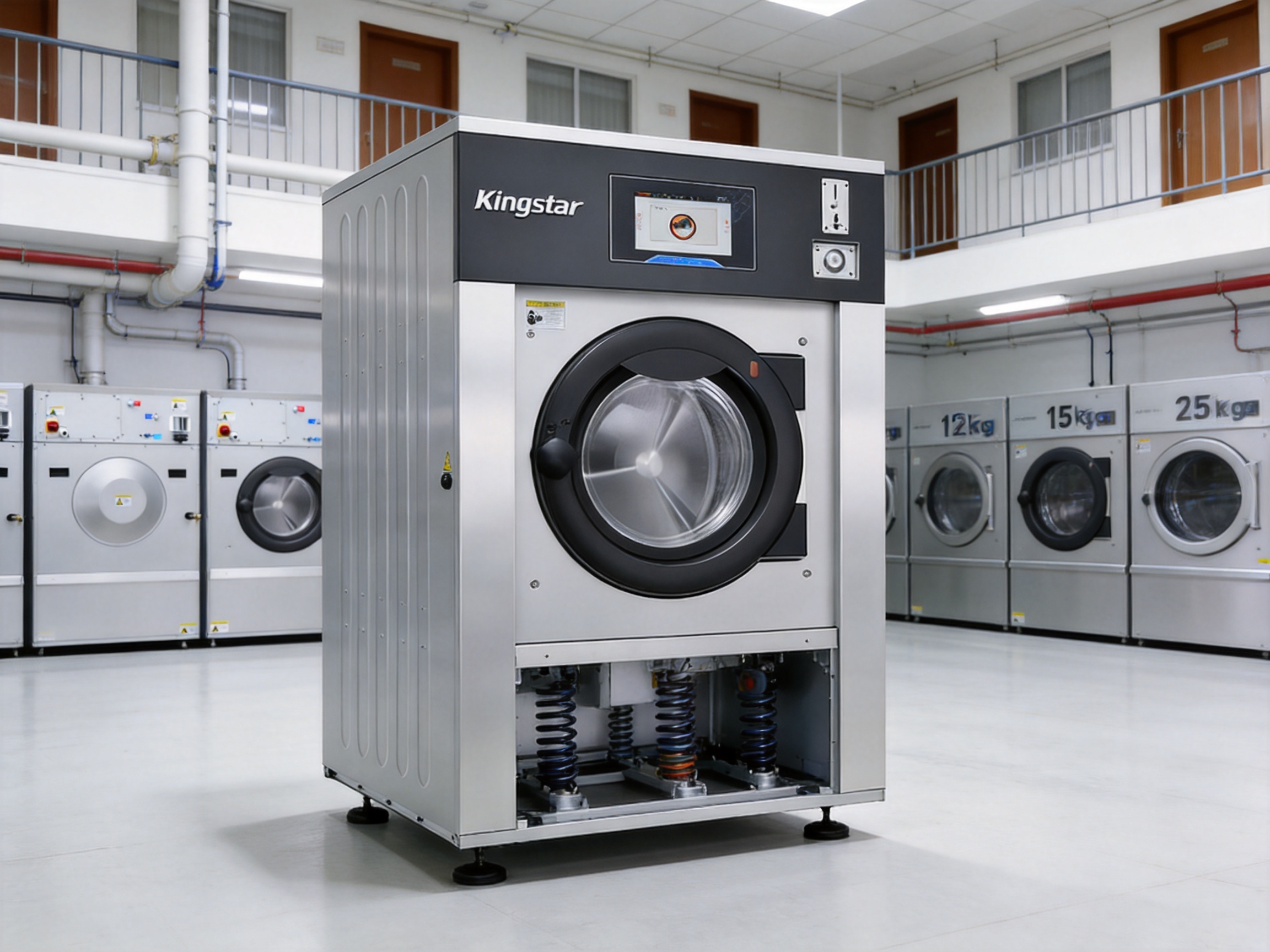
One of the strongest advantages of this washer series is its suspension spring and shock absorption structure. During extraction, wet laundry can become unevenly distributed around the drum. This imbalance produces dynamic forces that must be controlled to prevent excessive movement, noise, and mechanical stress. The softmount suspension system allows the drum assembly to move in a controlled manner while the dampers absorb energy generated during high-speed spinning.
The equipment uses premium dampers sourced from a recognized German supplier. High-quality dampers contribute to stable operation and help the machine cope with repeated extraction cycles. Correctly functioning suspension components also reduce stress on bearings, frames, drive components, and surrounding floors.
For the operator, low vibration can reduce installation work and make it possible to use available rooms that would be unsuitable for some hardmount machines. The washer does not require a separate foundation under normal installation conditions, although the floor must still be level, strong enough to support the machine’s total weight, and suitable for the building’s plumbing and electrical requirements.
Softmount construction offers a clear advantage over competitors that depend exclusively on hardmount installation. Hardmount machines may provide excellent stability when permanently anchored to a properly engineered foundation, but they are less adaptable in multi-story or renovated buildings. They can involve additional concrete work, longer installation times, and higher preparation costs. The softmount washer reduces these barriers while retaining commercial-duty performance.
Low vibration also improves the user experience. Apartment residents, hotel guests, and students may use laundry facilities located close to bedrooms, offices, or living areas. A washer that operates within a controlled noise range is less disruptive than poorly balanced or inadequately supported equipment. This makes the product suitable for mixed-use buildings and shared facilities where customer comfort is important.
304 Stainless Steel Construction
The inner drum, outer cylinder, and water-contacting components are made from 304 stainless steel. This material is widely used in professional laundry equipment because it provides strong resistance to corrosion, moisture, detergents, and repeated thermal cycling.
Stainless steel construction helps protect the washing process from rust contamination. In a commercial laundry environment, machines may run many cycles each day and may be exposed to alkaline detergents, oxygen-based chemicals, softeners, and hot water. A corrosion-resistant water path supports consistent washing quality and helps reduce the risk of premature deterioration.
The perforated inner drum is designed to provide effective water circulation while supporting the load during washing and extraction. A perforation diameter of 3.5 mm is specified across the series. The drum’s surface must be sufficiently strong to handle repeated loading and unloading while remaining suitable for a broad range of textiles.
Compared with lower-cost machines that use less durable materials in water-contact areas, 304 stainless steel offers a stronger foundation for long-term commercial service. It also simplifies cleaning and helps maintain a professional appearance. For laundromat owners and hotel operators, the visual condition of equipment can influence customer confidence and perceived service quality.
The use of stainless steel is part of a broader manufacturing strategy that prioritizes components exposed to the most demanding operating conditions. The company’s commercial equipment design separates cosmetic requirements from functional requirements, focusing material strength and corrosion resistance where they have the greatest effect on reliability.
High-Speed Extraction and Reduced Drying Demand
The washer provides a maximum washing and spinning speed of 850 rpm and a rated dehydration factor of 300 G. High-speed extraction is one of the most important performance characteristics in a commercial laundry system because it directly affects the amount of water left in the textiles after washing.
When more water is removed during extraction, the following drying process requires less time and energy. This can increase dryer availability during busy periods and reduce operating expenses. In a laundromat, shorter drying times allow customers to complete their laundry more quickly. In a hotel or institutional laundry, faster moisture removal can improve daily production capacity.
The extraction system is supported by a main motor designed for commercial operation. The motor is custom-made by a listed company according to the supplied product information. Combined with the suspension structure and transmission assembly, it supports repeated acceleration, washing, deceleration, and high-speed extraction cycles.
High extraction performance must be balanced with safe mechanical control. The electronic door lock prevents the door from being opened while the machine is operating at high speed. The control program permits access only after the extraction cycle has fully stopped. This interlock is essential in a self-service environment where users may not have technical training.
Compared with conventional top-loading machines and some basic commercial washers, a 300 G extraction factor can provide a stronger pre-drying result. The actual residual moisture and drying energy will depend on fabric type, load size, selected program, water temperature, spin profile, and dryer configuration. Nevertheless, high-speed extraction provides an important opportunity to reduce the total energy consumed by the laundry process.
Intelligent Weighing and Resource Management
The washer incorporates an intelligent weighing design that adjusts water volume according to the weight of the load. Load-based water control helps prevent the use of excessive water for smaller loads and supports more consistent washing performance across different load sizes.
Water management can influence several operating costs at the same time. Lower water use reduces the volume that must be heated, decreases wastewater discharge, and may reduce detergent consumption when chemical dosing is calibrated to the load. For businesses operating multiple machines, even small savings per cycle can become meaningful over the equipment’s service life.
Automatic weighing also helps improve repeatability. If a customer places a partial load in the drum, the machine can select an appropriate water volume rather than operating as though the drum were full. If a heavier load is detected, the system can provide the water required for effective wetting and rinsing. This supports stable washing results while reducing unnecessary resource consumption.
Load weighing is particularly valuable in shared laundry rooms, where users may wash different quantities of clothing from one cycle to another. It is also useful in commercial facilities that process mixed loads and need consistent control without requiring operators to calculate water manually.
The intelligent control system should be viewed as a practical efficiency feature rather than a substitute for proper program selection. Operators should still define suitable wash formulas for different textiles, soil levels, temperatures, and chemical types. Correct programming, accurate dosing, and routine maintenance work together to deliver the best resource performance.
Programmable Controls and Self-Service Operation
A 7-inch high-definition full LCD screen provides a clear interface for operators and users. The control system supports custom programming and one-touch operation. This makes it possible to configure washing parameters according to the facility’s requirements rather than relying only on fixed factory programs.
Programmable settings may include wash time, rinse sequence, water level, temperature, extraction speed, chemical signals, and final spin duration. The exact programming range depends on the control configuration and local project requirements. A laundromat may prefer a small number of simple, customer-facing programs, while a hotel or healthcare facility may require more specialized formulas.
One-touch operation reduces training requirements. Customers can view the available programs, make a selection, complete payment, and start the cycle without extensive assistance. For operators, the LCD interface provides a more intuitive way to manage settings than older control panels with numerous mechanical switches.
The display also supports a more professional customer experience. Clear program information can reduce user errors, improve confidence, and help customers understand the remaining process. In a self-service environment, a simple interface can reduce calls for assistance and allow staff to focus on cleaning, maintenance, customer service, or revenue management.
The control architecture is designed for commercial use and incorporates electronic safety functions. The door lock, payment activation, operating sequence, and extraction controls work together to prevent unsafe access and unauthorized interruption of a cycle.
Flexible Payment and Revenue Management
A coin-operated washer must provide more than a reliable wash cycle. It must also support a practical payment experience for customers and a secure revenue model for the operator. The product supports multiple payment methods, including coin payment, QR code payment, and card payment such as credit cards or rechargeable laundry cards, depending on the selected configuration.
Multiple payment options offer several advantages over a coin-only system. Some customers may not carry sufficient change, while others prefer cards or mobile payment. Digital payment options can reduce coin jams, simplify collection, and provide more detailed usage data. Card systems may also support prepaid balances, loyalty programs, or controlled access in apartment and institutional settings.
For operators, payment flexibility creates more opportunities to adapt pricing. Different programs can be assigned different prices according to cycle duration, water temperature, capacity, or extraction level. Prices may also be adjusted for specific locations or operating periods, subject to the payment system used.
The anti-pry coin control box helps protect the property of laundry service providers. Physical payment components require secure installation and routine inspection, but a protected coin box reduces the risk of tampering. Digital payment systems can further reduce the amount of cash held in the machine.
Payment technology can be selected according to the target market. A traditional laundromat may continue to use coins while adding card payment. An apartment complex may prefer card or QR payment. A hotel may connect payment to a guest account or facility access system. This flexibility allows the same basic washer platform to serve different commercial business models.
Automatic Chemical Dosing Compatibility
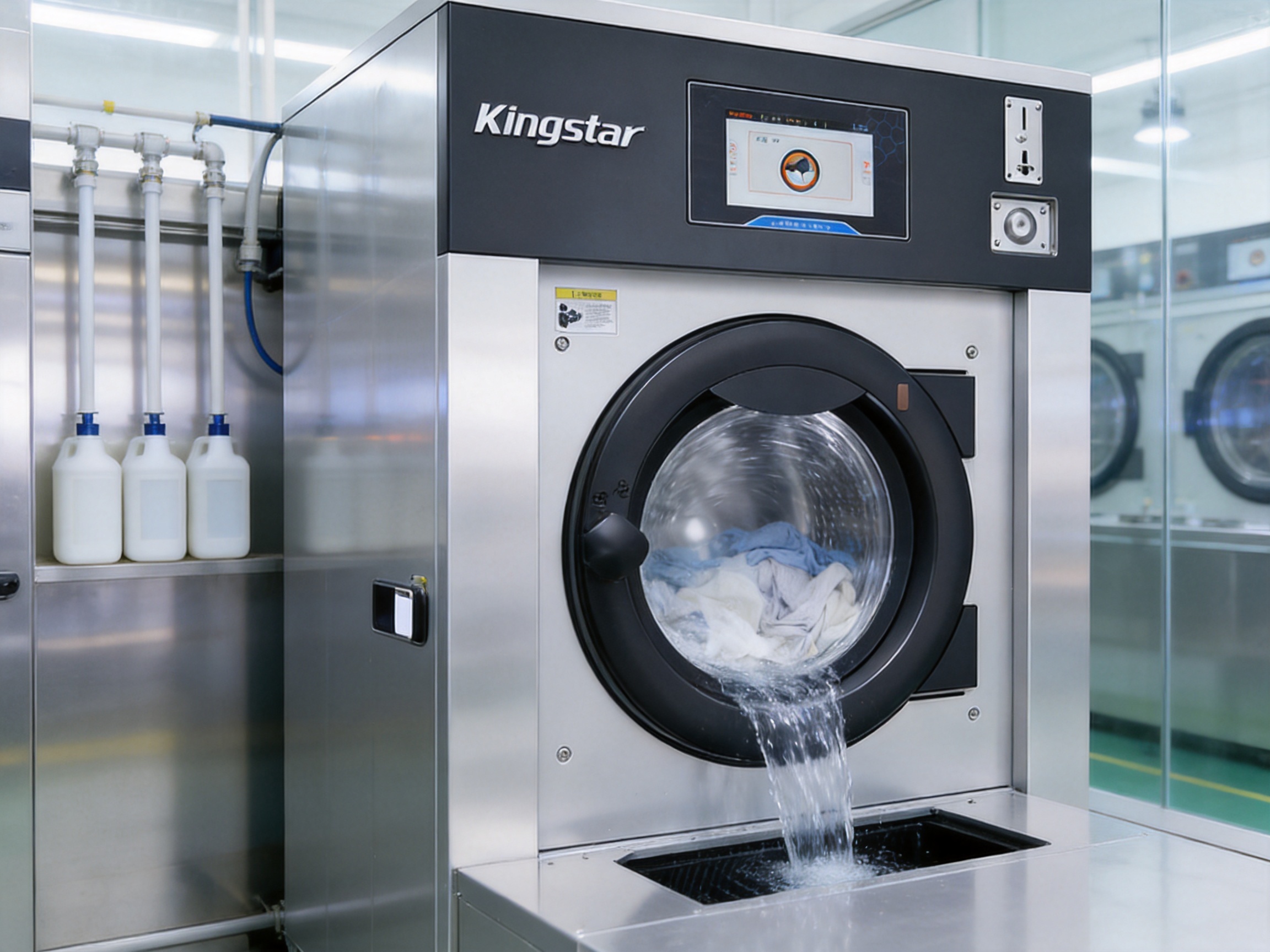
The washer provides nine automatic dosing ports and an open signal interface compatible with dispensers from different brands. This allows operators to connect an automatic dosing system that delivers detergent, bleach, softener, sanitizer, or other approved chemicals at the programmed stage of the cycle.
Automatic dosing provides more consistent chemical concentration than manual pouring. It can reduce overdosing, prevent underdosing, and support repeatable washing results across multiple machines and shifts. Accurate chemical delivery also helps control purchasing costs and reduce chemical waste.
In hotels, healthcare facilities, restaurants, and institutional laundries, chemical control is particularly important because textile hygiene requirements may be more demanding than those in a general self-service laundromat. Operators can configure formulas according to textile type and soil level while maintaining a consistent dosing sequence.
The open interface is an important advantage for businesses that already use a preferred chemical supplier or dispensing system. Instead of being locked into one proprietary dispenser, the operator can select equipment according to local service availability, chemical compatibility, and operating requirements. Installation should be completed by qualified personnel, and all chemicals must be used in accordance with supplier instructions and textile-care requirements.
Electronic Safety Features
Commercial laundry equipment must protect users who may have little experience with industrial machinery. The electronic door lock is therefore a central safety feature. The machine’s computer program prevents the door from opening during high-speed extraction and allows access only after the drum has stopped.
This design reduces the risk of accidental contact with a moving drum. It also helps prevent users from interrupting the machine at an unsafe moment. In a public laundry room, where children or untrained users may be present, controlled door access is especially important.
Other safety considerations include correct electrical installation, appropriate water and drain connections, adequate ventilation, stable positioning, and regular inspection of suspension and drive components. Operators should follow the installation and maintenance instructions supplied with the machine and ensure that service work is performed by qualified technicians.
The use of imported electrical components is another stated strength of the equipment. The product information identifies international components such as Schneider contactors and imported wiring and plugs. The detailed product material also references high-quality bearings from established international suppliers. Using recognized components in the electrical and transmission systems can support dependable switching, smooth rotation, and easier access to replacement parts in international markets.
Manufacturing Processes and Quality Strengths
The performance of a commercial washer depends on the quality of its manufacturing process as much as on its published specifications. A strong production system must control metal fabrication, welding, surface finishing, electrical assembly, mechanical alignment, software configuration, and final testing.
Stainless Steel Fabrication
The inner drum, outer cylinder, and water-contacting components require accurate cutting, forming, welding, and finishing. Stainless steel must be handled carefully to preserve corrosion resistance and avoid contamination from unsuitable tools or materials. Properly finished welds and smooth internal surfaces help reduce areas where detergent residue, soil, or moisture can accumulate.
Drum geometry must remain accurate during forming and assembly. The inner drum must rotate smoothly, maintain correct clearance, and support balanced distribution of laundry. Quality control at this stage contributes directly to vibration performance, washing action, and equipment life.
Suspension and Mechanical Assembly
The suspension system, dampers, frame, bearing housing, drive components, and drum assembly must be aligned accurately. Even a strong individual component can perform poorly if assembly tolerances are not controlled. The manufacturing process therefore requires attention to fastener torque, shaft alignment, bearing installation, spring positioning, and drum balance.
Mechanical testing may include unloaded rotation, low-speed operation, acceleration, braking, and high-speed extraction. These checks help identify abnormal vibration, noise, or friction before the washer leaves the factory. The three-bearing main transmission design described in the product information is intended to provide high strength and long service life under commercial operating conditions.
Electrical and Control Assembly
Electrical assembly includes wiring, contactors, control boards, heating circuits, door-lock systems, payment interfaces, sensors, and emergency protection functions. Proper wire routing and secure terminal connections are essential in a machine exposed to vibration, moisture, and repeated thermal changes.
The use of recognized international electrical components can support consistency and serviceability. Each control cabinet should be inspected for correct labeling, secure connections, insulation condition, and compatibility with the selected operating voltage. The control software should also be checked for program execution, payment activation, dosing signals, water-level control, heating response, and door-lock operation.
Functional Testing
Before shipment, commercial washers should undergo functional testing that simulates key operating conditions. Testing may include water inlet operation, drainage, heating, low-speed washing, high-speed extraction, door interlock response, automatic dosing signals, display operation, and payment control.
Testing is especially important for machines supplied to overseas customers because local installation conditions can vary. The available-voltage options, pipe connections, drain layout, payment hardware, and chemical systems must be confirmed as part of the project. A disciplined factory inspection process reduces the likelihood of installation delays and commissioning problems.
Configuration and OEM/ODM Support
Jiangsu Chuandao Intelligent Equipment Co., Ltd. presents itself as a supplier of commercial washer-extractors and laundry machinery with OEM and ODM capabilities. This can benefit distributors, laundry operators, hotel groups, and project contractors that require customized branding, payment integration, control settings, capacity selection, or system matching.
OEM and ODM cooperation may involve product labeling, control language, electrical configuration, payment equipment, chemical-dosing interfaces, packaging, documentation, and other project details. The precise scope should be confirmed during technical discussions. A manufacturer with experience in customized commercial equipment can help customers avoid compatibility issues between the washer, building infrastructure, payment system, and downstream dryers.
Advantages Over Hardmount and Basic Commercial Washers
The product’s main competitive advantage is its balance between commercial durability and installation flexibility. Hardmount washer-extractors are designed to be anchored to a rigid foundation. This arrangement can be effective for heavy-duty industrial laundry rooms, but it may require construction work that is not practical in apartments, hotels, or upper-floor locations.
| Comparison Area | Coin-Operated Softmount Washer | Hardmount Washer | Household Washer |
|---|---|---|---|
| Installation | Suitable for properly prepared standard floors without a separate foundation under normal conditions | Requires a reinforced foundation and permanent anchoring | Designed for residential floors and lighter duty |
| Vibration Control | Suspension springs and dampers absorb extraction movement | Stability is achieved primarily through rigid floor mounting | Basic suspension intended for household cycles |
| Commercial Use | Designed for frequent shared or commercial operation | Designed for heavy industrial applications | Not normally intended for continuous commercial use |
| Payment Flexibility | Coin, card, QR, or other compatible systems | Usually requires a separate payment arrangement | Generally not equipped for self-service payment |
| Extraction Performance | Up to 850 rpm and 300 G dehydration factor | Varies by model and installation design | Usually lower commercial throughput |
| Capacity Range | 12, 15, 20, and 25 kg classes | Often available in larger industrial capacities | Usually smaller household capacities |
| Material Selection | 304 stainless steel water-contacting construction | Varies by manufacturer | Varies and generally optimized for domestic cost |
Compared with household washers, the product offers greater structural strength, larger capacities, higher operating endurance, commercial payment integration, and more specialized safety controls. Household appliances may be suitable for occasional use, but they are not normally designed for the repeated daily cycles, revenue collection, and maintenance expectations of a laundromat or shared laundry room.
Compared with basic commercial washers, the softmount series adds features that improve the overall business model. The LCD interface supports programmable operation, the intelligent weighing system assists resource control, the nine dosing ports support chemical automation, and the 300 G extraction factor can help reduce dryer workload.
Operators should still choose equipment according to their specific workload. A hardmount machine may be preferable for a large industrial laundry with a purpose-built reinforced floor and extremely high throughput. The softmount washer is particularly competitive where installation flexibility, customer payment, low vibration, and moderate-to-large capacity are priorities.
Applications in Commercial and Shared Laundry Facilities
Laundromats
Laundromats require machines that are easy for customers to use, simple for staff to monitor, and durable enough for continuous daily operation. The coin-operated softmount washer provides several machines sizes so that customers can select a capacity suited to personal clothing, bedding, uniforms, or larger textile loads.
Multiple payment options can improve customer access, while high extraction speed helps reduce the time required for drying. The 7-inch LCD screen makes programs easier to understand, and the electronic door lock supports safer self-service operation. The anti-pry coin box can help protect cash-based revenue collection.
Apartment Complexes
Apartment buildings often have limited laundry-room space and may not be able to install a reinforced concrete foundation on every floor. A low-vibration softmount washer allows property managers to create shared laundry facilities with less structural modification. Card, QR, or account-based payment systems may be particularly suitable for resident use.
The operator can select a mixture of capacities. Smaller machines can handle routine clothing loads, while 20 kg or 25 kg units can serve residents washing comforters, curtains, or large family loads. The resulting equipment mix can improve availability during peak periods.
Hotels and Hostels
Hotels and hostels may install commercial washers for guest self-service or for internal housekeeping operations. A compact softmount installation can be useful when the laundry room is located in an existing building. The stainless steel construction and programmable controls support repeated operation, while the payment system allows guest laundry to function without requiring constant staff involvement.
For internal hotel laundry, the automatic dosing interface can help standardize detergent and chemical delivery. Operators can configure programs for towels, linens, uniforms, and other approved textile categories.
Student Housing and Military Facilities
Student residences and military facilities often have high demand concentrated in shared laundry rooms. Machines must be able to process many cycles each day while remaining straightforward for users. Softmount installation can reduce building preparation requirements, and cashless payment options can simplify user access.
The range of capacities enables facility managers to design a balanced laundry room. A combination of medium and large machines may reduce waiting times and improve the utilization of available floor space.
Healthcare and Institutional Laundry
Healthcare and institutional facilities have specialized hygiene and textile-handling requirements. The washer’s stainless steel water-contacting construction, programmable controls, automatic dosing compatibility, and commercial-duty design can support these applications when the equipment is configured with appropriate wash formulas and chemicals.
Facilities must establish their own validated procedures for temperature, detergent, disinfection, rinsing, textile segregation, and staff safety. The washer provides the hardware platform, while the facility remains responsible for selecting compliant processes for its particular application.
Operating Economy and Return on Investment
The financial value of a coin-operated softmount washer comes from the relationship between revenue, resource consumption, maintenance, installation cost, and service life. A machine that supports frequent paid cycles can generate regular income, while efficient extraction and intelligent water management can help control variable costs.
Installation flexibility can reduce the initial project budget. If no separate foundation is required, the operator may avoid some concrete work, structural reinforcement, and associated construction delays. The actual requirement depends on local building conditions, floor strength, drainage, electrical supply, and installation regulations.
Water and energy savings are influenced by the selected wash program and load size. Intelligent weighing can reduce water use on partial loads, while high-speed extraction can reduce dryer operating time. These savings are most meaningful in facilities with high utilization and significant water-heating or drying expenses.
Maintenance costs also affect payback. Durable stainless steel components, commercial transmission parts, quality dampers, and recognized electrical components can help reduce unplanned downtime when properly maintained. The product information describes a long-life design intended for approximately 20 years of service and states extended warranty coverage. Warranty terms, exclusions, installation requirements, and regional service arrangements should be confirmed in the purchase contract.
Operators can estimate return on investment using the following factors:
1. Expected paid cycles per machine per day.
2. Price charged for each wash program.
3. Electricity, water, heating, detergent, and wastewater costs.
4. Dryer utilization and the effect of extraction performance on drying time.
5. Installation, payment-system, delivery, and commissioning expenses.
6. Routine maintenance, spare parts, and service costs.
7. Expected machine availability and seasonal demand.
8. Local taxes, facility rent, staffing, and payment-processing charges.
A professional feasibility study should use local utility rates and realistic customer demand rather than relying on general consumption estimates. The washer’s efficiency features provide opportunities for cost control, but actual performance depends on operating practice and installation quality.
Maintenance and Service Considerations
Routine maintenance is essential for preserving washing quality, safety, and machine availability. Operators should clean the door gasket, inspect the drum and detergent areas, check water and drain connections, and remove residue before it accumulates. Payment interfaces should be checked for coin jams, card-reader faults, QR-system interruptions, or loose connections.
The suspension system should be inspected for worn dampers, damaged springs, abnormal movement, or unusual noise. Bearings, drive components, belts where applicable, electrical terminals, heating elements, sensors, and door-lock functions should be checked according to the manufacturer’s service schedule.
Operators should monitor changes in machine behavior. Increasing vibration may indicate an unbalanced load, an uneven floor, worn suspension parts, or a mechanical alignment issue. Slow drainage may indicate a blockage or an undersized drainage arrangement. Inconsistent heating may result from electrical supply problems, heating-element faults, or sensor issues. Early diagnosis can prevent secondary damage.
Because the equipment is used in a self-service environment, the laundry room itself should also be maintained. Floors should remain dry and clean, payment instructions should be visible, emergency contact information should be available, and customers should be informed not to overload the machine or wash unsuitable items.
Access to spare parts and technical support is an important purchasing consideration. Jiangsu Chuandao Intelligent Equipment Co., Ltd. supplies commercial laundry machinery for domestic and international markets and offers OEM/ODM cooperation. Buyers should confirm the availability of replacement bearings, dampers, door locks, control components, heating elements, payment interfaces, and other wear parts in their region.
Installation Planning
Although the softmount structure reduces foundation requirements, successful installation still requires careful planning. The floor must be level, structurally adequate, and capable of supporting the machine’s operating weight and dynamic loads. The installation area must allow sufficient space for loading, unloading, service access, ventilation, and safe customer movement.
Water supply should meet the specified inlet pressure range of 0.2–0.4 MPa. The inlet and hot-water pipe connections are DN20. Drainage must be designed to handle discharge flow without backing up or causing standing water. Drain pipe dimensions vary between models, so the selected model should be matched with the building’s drainage system before delivery.
Electrical installation must correspond to the ordered voltage and frequency configuration. The listed standard operating specification is 380 V, three-phase, 50 Hz, while alternative voltage arrangements are available for different markets. A qualified electrician should verify supply capacity, grounding, overcurrent protection, disconnect requirements, cable sizing, and local code compliance.
Electric heating requires sufficient power capacity. The 12 kg and 15 kg models use 12 kW electrical heating, while the 20 kg and 25 kg models use 18 kW. These loads should be included in the facility’s electrical design. If several machines operate simultaneously, the total demand may be considerably higher than the rating of one washer.
Payment equipment should be selected and tested before commissioning. The operator should confirm whether the machine will use coins, cards, QR payment, or a combination. Payment prices, refund procedures, cycle activation, and fault handling should be configured and documented for customers and staff.
Environmental and User Benefits
The washer’s efficiency features support a more responsible approach to commercial laundry operation. Intelligent weighing helps avoid unnecessary water use, while high-speed extraction can reduce the energy required by dryers. Automatic dosing can minimize chemical waste and reduce the risk of excessive detergent entering the wastewater stream.
Resource efficiency also improves the user experience. Faster drying means customers can complete their laundry in less time. Reliable program control supports consistent results. Controlled vibration and a noise specification of no more than 70 dB can make the laundry room more comfortable, especially in residential facilities.
The product’s 304 stainless steel construction supports long-term use and reduces the need for early replacement caused by corrosion. Extending equipment life can lower the environmental impact associated with manufacturing, transporting, and disposing of replacement machines.
Operators can obtain the greatest environmental benefit by combining the washer with appropriate load sizes, efficient dryers, correct chemical dosing, regular maintenance, and staff or customer education. No single feature can eliminate waste if the machine is consistently overloaded, underloaded, or operated with unsuitable programs.
How to Select the Correct Model
The best model depends on the expected load profile rather than simply the largest available capacity. The SHS-2012C is suitable for facilities that need a compact commercial washer for small to medium loads. The SHS-2015C provides additional volume while retaining similar transmission and heating power.
The SHS-2020C and SHS-2025C are suitable for larger loads, bedding, towels, uniforms, and facilities with higher throughput. They require more floor space, greater electrical capacity, and appropriate drainage planning. The 25 kg model offers the largest capacity in the series but may not be the most efficient choice if typical customer loads are small.
Operators should examine peak demand, average load size, available room dimensions, electrical infrastructure, water supply, drainage, payment preferences, and the number of dryers. A balanced laundry room may include more than one capacity so customers can select an appropriate machine without paying for unused volume.
The final configuration should be confirmed with the supplier before purchase. Important points include voltage, heating type, payment hardware, language settings, chemical dosing, delivery access, installation responsibilities, warranty coverage, and spare-parts support.
Q&A: Coin-Operated Softmount Washer
What does softmount mean?
Softmount means that the washer uses a suspension system with springs and shock absorbers to isolate vibration. Unlike a hardmount washer, it is not normally dependent on permanent floor bolting to control extraction movement. It can therefore be installed on a properly prepared standard floor, subject to structural and local code requirements.
Does the washer require a concrete foundation?
The softmount design is intended to operate without a separate reinforced foundation under normal installation conditions. However, the floor must be level and strong enough to support the machine and its dynamic loads. A building engineer or qualified installer should assess unusual floors, upper-floor locations, wooden structures, and other nonstandard conditions.
What capacities are available?
The available capacities are 12 kg, 15 kg, 20 kg, and 25 kg. The corresponding models are SHS-2012C, SHS-2015C, SHS-2020C, and SHS-2025C. The actual recommended load depends on textile type, moisture absorption, and the selected wash program.
What is the maximum extraction speed?
The specified washing and spinning speed range is 30–850 rpm. The machines are designed with a 300 G dehydration factor. Actual extraction performance depends on load distribution, fabric type, program settings, and proper machine installation.
How does high-speed extraction reduce operating costs?
High-speed extraction removes more water before the load enters the dryer. This can reduce drying time and dryer energy consumption. The resulting savings depend on the dryer type, textile composition, load size, utility prices, and operating procedures.
Can the washer accept payment by card or QR code?
The product supports multiple payment methods, including coins, cards, and QR code payment, depending on the selected configuration. Buyers should specify the preferred payment system during the technical and commercial confirmation process.
Does the machine support automatic detergent dosing?
Yes. The washer provides nine automatic dosing ports and an open signal interface for compatible dispensers. This allows operators to connect a dosing system from a selected supplier and program chemical delivery according to the wash formula.
What materials are used in the water-contacting areas?
The inner drum, outer cylinder, and water-contacting components are made from 304 stainless steel. This construction provides resistance to rust and corrosion and supports long-term commercial use.
Is the washer suitable for apartment buildings?
Yes. Its softmount suspension, controlled vibration, multiple payment options, and range of capacities make it suitable for shared laundry rooms in apartment complexes. The facility must still provide adequate floor strength, water supply, drainage, electrical capacity, and safe access.
Is the washer suitable for hotels?
Yes. Hotels may use it for guest self-service laundry or internal textile processing. Programmable controls and automatic dosing compatibility make it adaptable to different operating requirements. Hotel operators should configure programs according to the approved textile-care procedures.
How does the electronic door lock improve safety?
The electronic door lock prevents the door from opening during high-speed extraction. The door can be opened only after the machine has stopped spinning, reducing the risk of contact with a moving drum.
What should be checked before installation?
Buyers should verify floor strength and levelness, electrical voltage and capacity, water pressure, inlet pipe size, drain pipe requirements, service access, ventilation, payment-system compatibility, and chemical-dosing arrangements. Installation should be performed by qualified personnel.
How long can the machine operate?
The product information describes a long-life design intended for approximately 20 years of service and extended warranty coverage. Actual service life depends on load management, maintenance, installation quality, operating frequency, water quality, chemical use, and timely replacement of wear components. The warranty period and conditions should be confirmed with the supplier.
What makes this product different from a household washer?
The product is designed for commercial duty, larger loads, high-frequency operation, self-service payment, high-speed extraction, automatic dosing, electronic safety control, and durable stainless steel construction. Household washers generally do not provide the same combination of capacity, payment integration, commercial transmission strength, and continuous-use capability.
What makes it different from a hardmount washer?
The principal difference is the installation method. A hardmount washer is rigidly anchored to a reinforced foundation, while this softmount washer uses a suspension system to control vibration. The softmount design offers greater flexibility for upper-floor, residential, renovated, and space-constrained installations.
Why Choose a Specialized Commercial Laundry Manufacturer?
Commercial laundry equipment must be designed around more than washing performance. It must integrate mechanical engineering, electrical safety, water management, heat control, payment technology, chemical dosing, user interface design, and after-sales service. A manufacturer focused on laundry machinery is better positioned to coordinate these systems than a general appliance producer.
Jiangsu Chuandao Intelligent Equipment Co., Ltd. supplies a broader range of laundry equipment, including industrial washing machines, hospital washing machines, industrial dryers, commercial dryers, washer-extractors, and stacked laundry equipment. This product range allows customers to plan a complete laundry system instead of purchasing isolated machines without considering the relationship between washing, extraction, and drying.
The company’s strengths include commercial product development, configurable equipment, stainless steel construction, international electrical component sourcing, customized payment and dosing options, and OEM/ODM cooperation. Its location in Nantong, Jiangsu Province, provides access to China’s extensive industrial supply chain, engineering resources, component manufacturers, and export logistics networks.
For international buyers, manufacturing strength should be evaluated through technical documentation, factory testing, component specifications, customization capability, packaging, commissioning support, spare-parts planning, and warranty procedures. These factors influence total ownership cost just as much as the initial equipment price.
A specialized supplier can also help match the washer to local conditions. Voltage, frequency, payment habits, water pressure, drainage standards, chemical availability, language requirements, and service expectations differ between markets. Proper technical communication before production reduces the risk of receiving equipment that is difficult to install or operate.
Conclusion
The coin-operated softmount washer is designed to provide a practical combination of commercial durability, flexible installation, high extraction performance, resource management, payment convenience, and operator control. Its 12 kg, 15 kg, 20 kg, and 25 kg capacities allow laundromats and shared laundry facilities to build an equipment mix that matches customer demand.
The suspension spring and shock absorption structure is a major advantage over rigid hardmount alternatives when a facility cannot support extensive foundation construction. The use of 304 stainless steel in the drum, outer cylinder, and water-contacting components supports corrosion resistance and long-term washing quality. A 7-inch LCD control system, electronic door lock, intelligent weighing, automatic dosing compatibility, and multiple payment options make the washer suitable for modern self-service operation.
Its 850 rpm maximum spin speed and 300 G dehydration factor can help reduce moisture before drying, improving throughput and creating opportunities for lower dryer energy consumption. Imported electrical components, a commercial transmission design, quality dampers, and factory-level functional testing further support reliable operation.
For laundromats, apartment complexes, hotels, student residences, institutions, and other shared facilities, the product offers an adaptable foundation for revenue-generating laundry services. The best results will depend on selecting the correct capacity, confirming infrastructure requirements, using suitable wash formulas, maintaining the machine regularly, and working with a supplier that can provide appropriate technical and after-sales support.
References
1. Product technical specifications for the SHS-2012C, SHS-2015C, SHS-2020C, and SHS-2025C commercial coin-operated washer models.
2. Commercial laundry equipment design principles for softmount suspension, vibration isolation, and washer-extractor installation.
3. General engineering guidance for stainless steel selection in water-contacting commercial equipment.
4. Commercial laundry operating practices for high-speed extraction, drying-energy reduction, and load-based resource management.
5. General safety principles for electronic door interlocks, commercial washing-machine electrical systems, and self-service laundry installations.
6. Manufacturer information concerning commercial laundry machinery, OEM/ODM equipment development, automatic dosing interfaces, and payment-system configurations.
Product: Coin-Operated Softmount Washer(12/15/20/25kg)

ADD:No.388 Xinggang Road, Chongchuan District, Nantong City, 226000, Jiangsu Province, China.
-
Phone: +86-13917089379
-
Tel:+86-13917089379
-
Fax:+86-0513-85663366
-
E-mail:louislu@kingstarlaundry.com
products