英语
英语 俄语
俄语 西班牙语
西班牙语 德语
德语
Home / Author / Meiwen Zeng — Product After-Sales Service Manager / 18kg Compact Laundromat Wet Washing Machine: Efficient Commercial Cleaning for Modern Laundry Operations

Kingstar is your trusted partner for industrial and commercial laundry equipment. We specialized in the R&D and manufacturing of high-end industrial washers, commercial washers and dryers. Meanwhile, we provide global clients with comprehensive planning, layout workflow design, and software-hardware integration services for smart laundry plants.
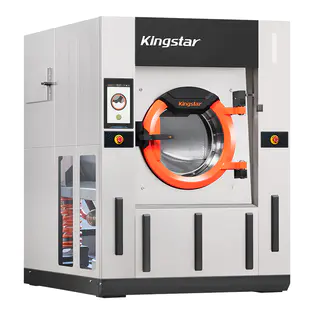
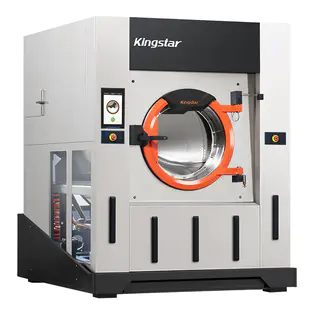
18kg Compact Laundromat Wet Washing Machine: Efficient Commercial Cleaning for Modern Laundry Operations
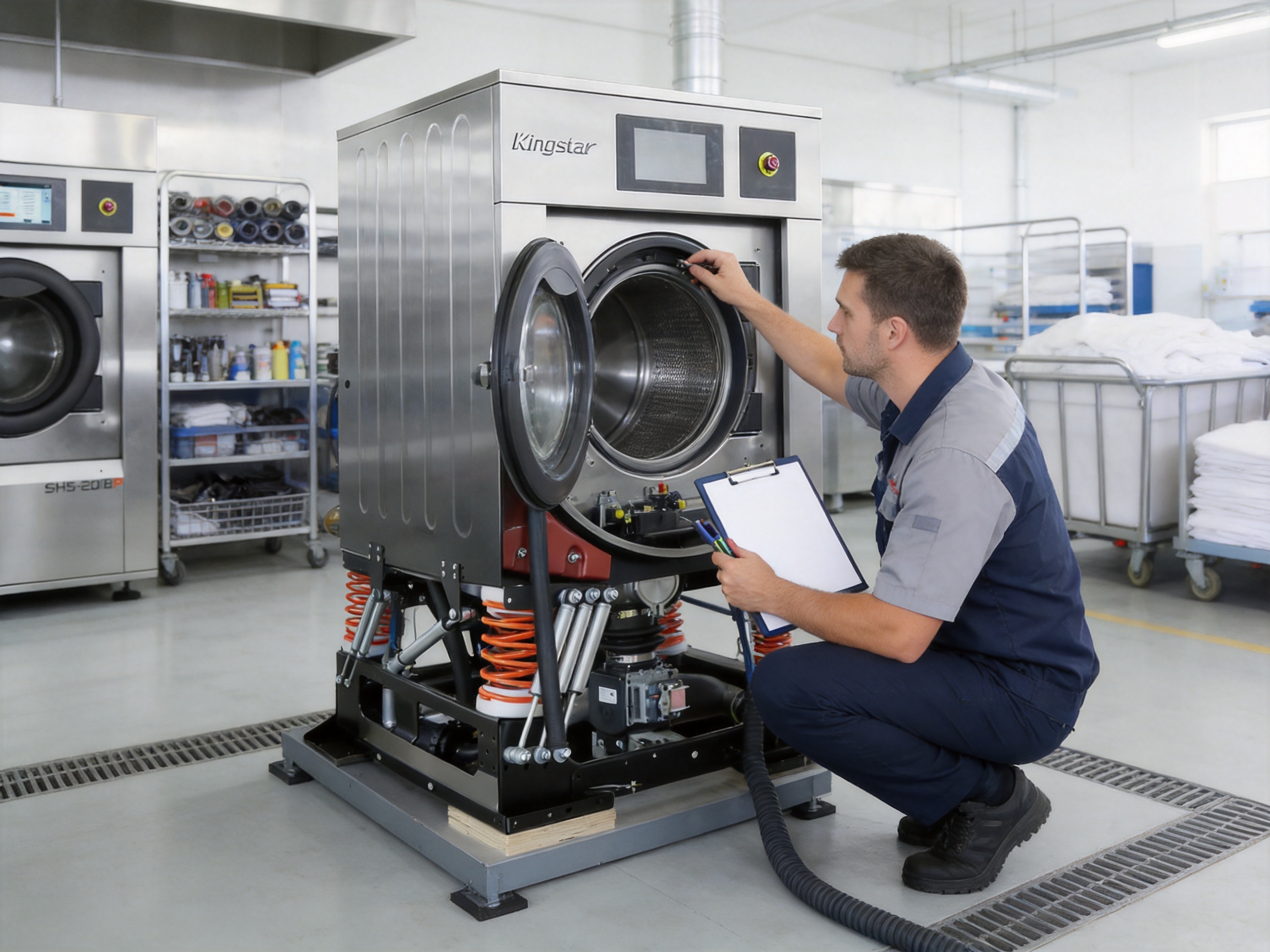
Commercial laundry operators need equipment that can deliver dependable washing performance, high extraction efficiency, controlled utility consumption, and consistent results across demanding daily schedules. The 18kg Compact Laundromat Wet Washing Machine is designed for laundromats, hospitality laundries, healthcare facilities, uniform services, and other professional applications where space, productivity, and textile care must be carefully balanced.
With a rated capacity range of 6 to 18 kg, a 180-liter drum, variable washing and extraction speeds from 10 to 1080 rpm, and a G factor of 400, this washer-extractor provides operational flexibility for different load sizes and fabric requirements. Its compact overall dimensions of 950 × 905 × 1465 mm allow commercial users to install substantial washing capacity without dedicating excessive floor area to a single machine.
The machine is identified as model SHS-2018P. It operates on a 380 V electrical supply, includes a 2.2 kW motor, and can be configured with 18 kW electrical heating power. Its listed noise level of no more than 70 dB supports a more comfortable working environment than many older, louder laundry machines. The combination of compact construction, programmable speed control, strong extraction, and professional-grade specifications makes it a practical choice for businesses that require repeatable washing results.
Product Overview
The 18kg Compact Laundromat Wet Washing Machine is a commercial washer-extractor developed for wet washing applications. It is intended to wash, rinse, and extract water from textiles in one integrated machine. This reduces the need to transfer heavy, saturated loads between separate washing and extraction equipment.
The machine supports loads from 6 to 18 kg. This range is useful for facilities that process mixed volumes throughout the day. Operators can run smaller loads when only a limited quantity of linen or garments is available, while the full 18 kg capacity can be used during peak periods. Correct loading according to fabric type, moisture absorption, and the selected program helps maintain washing quality and protects the mechanical system.
Its 180-liter drum volume provides working space for commercial textiles while maintaining a relatively compact footprint. The drum is specified with an inner diameter and depth of 750 × 410 mm. These dimensions contribute to a balanced internal configuration that can accommodate a broad variety of laundry items, including towels, sheets, uniforms, workwear, restaurant textiles, and institutional garments.
As a washer-extractor, the unit combines washing action with high-speed centrifugal extraction. The maximum listed extraction speed is 1080 rpm, and the G factor is 400. High-speed extraction removes a significant amount of water before drying, which can reduce dryer operating time and improve overall laundry-room productivity.
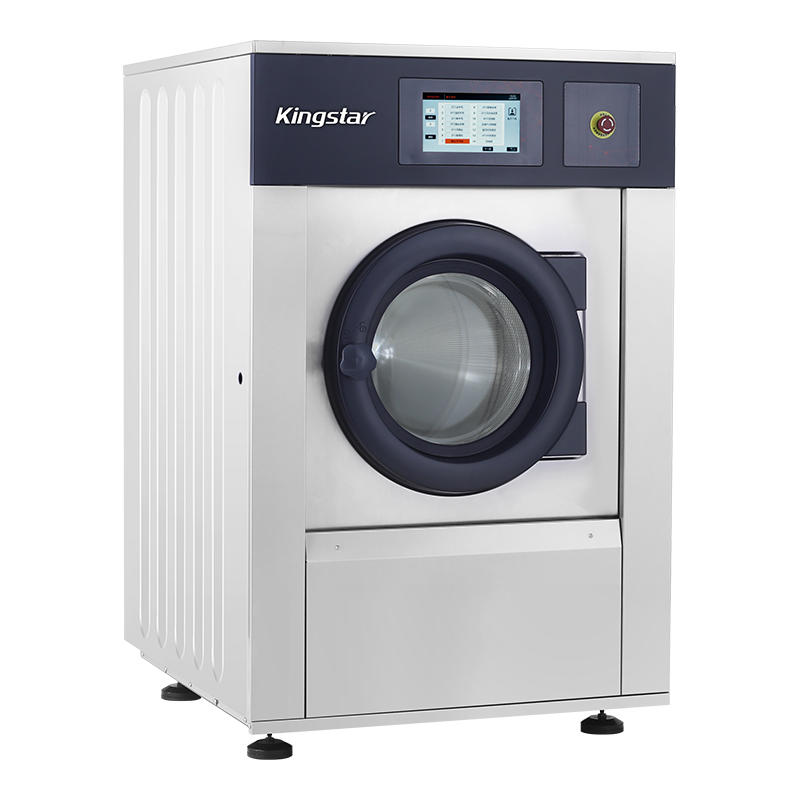
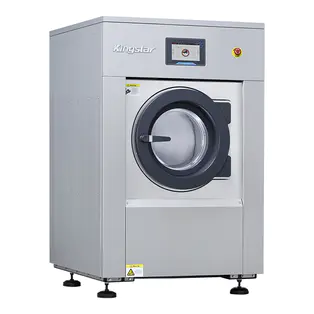
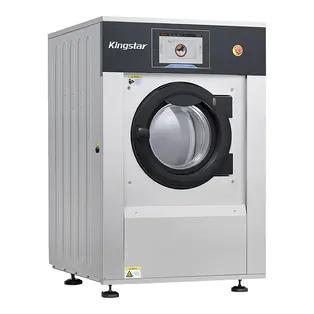
18kg Compact Laundromat Wet Washing Machine
Key Technical Specifications
Product | 18kg Compact Laundromat Wet Washing Machine |
Model | SHS-2018P |
Rated Capacity | 6–18 kg |
Drum Volume | 180 L |
Voltage | 380 V |
Washing and Extraction Speed | 10–1080 rpm |
Motor Power | 2.2 kW |
Electrical Heating Power | 18 kW |
Noise Level | ≤70 dB |
G Factor | 400 G |
Detergent Cups | 9 |
Steam Pressure | 0.2–0.4 MPa |
Water Inlet Pressure | 0.2–0.4 MPa |
Water Inlet Pipe | 27.5 mm |
Hot Water Pipe | 27.5 mm |
Drainage Pipe | 72 mm |
Inner Drum Diameter and Depth | 750 × 410 mm |
Overall Dimensions | 950 × 905 × 1465 mm |
Weight | 426 kg |
Compact Capacity for Professional Laundry Rooms
Floor space is one of the most important considerations in a commercial laundry room. Laundromats often operate in leased premises where every square meter has a cost. Hotels may need to install laundry equipment in service areas with restricted access. Healthcare facilities, restaurants, schools, and uniform rental businesses may also need professional washing capacity without the space requirements of a large industrial line.
The SHS-2018P addresses this challenge with a compact body measuring 950 mm wide, 905 mm deep, and 1465 mm high. These dimensions allow operators to plan a practical equipment layout around washing, drying, sorting, folding, chemical storage, and linen handling areas. The relatively narrow footprint can help make better use of existing rooms, although the final installation should always allow sufficient clearance for doors, plumbing, electrical service, ventilation, inspection, and maintenance.
Compact design does not mean the machine is limited to light-duty work. Its 18 kg maximum capacity and 180-liter drum make it suitable for regular commercial processing. The useful capacity range also allows businesses to avoid operating a much larger machine with consistently underfilled loads. Running a properly sized machine can improve process consistency and reduce unnecessary water, chemical, and energy use associated with oversized equipment.
Flexible Loading for Different Businesses
A commercial laundry rarely processes identical loads all day. A hotel may wash a small batch of staff uniforms in the morning and large quantities of bed linen in the afternoon. A laundromat may process customer garments, towels, blankets, and workwear in different quantities. A healthcare laundry may need separate programs for reusable gowns, sheets, towels, and cleaning textiles.
The 6–18 kg operating range gives users the flexibility to select a suitable load size for each production requirement. Smaller loads can be processed without waiting for a full 18 kg batch, while larger loads can take advantage of the drum’s full capacity. This supports more responsive workflow management and can reduce the temptation to overload smaller domestic machines or underuse oversized industrial equipment.
High-Speed Extraction and Reduced Drying Work
One of the most important differences between a basic commercial washing machine and a washer-extractor is the ability to remove water mechanically at the end of the wash cycle. The SHS-2018P provides extraction speeds up to 1080 rpm and a listed G factor of 400. These specifications indicate a strong centrifugal extraction stage designed to reduce the residual moisture retained by textiles after washing.
Residual moisture has a direct effect on drying. The more water that remains in a load, the longer the load may need to stay in a tumble dryer or finishing system. Longer drying cycles can increase electricity or gas consumption, occupy equipment for more time, and slow the movement of laundry through the facility. Effective extraction helps transfer more of the water-removal work from thermal drying to mechanical separation.
For laundromats and commercial laundry departments, this can create several operational benefits. Dryer capacity may be used more efficiently, drying times may become more predictable, and heat exposure can be reduced for certain textiles. Shorter drying requirements may also help protect fabrics that are sensitive to extended high temperatures.
Controlled Speed for Textile Protection
Maximum speed is only one part of washing performance. Different fabrics require different mechanical action. Delicate articles may need gentle tumbling and low-speed extraction, while towels, workwear, and durable cotton textiles can benefit from more vigorous washing and higher-speed extraction.
The listed speed range of 10 to 1080 rpm gives operators a broad operating window. Low-speed rotation can support soaking, detergent distribution, and gentle washing. Intermediate speeds can be selected for normal washing and rinsing. High-speed extraction can then be used when the textile construction and care instructions permit it.
This flexibility is a significant advantage over equipment with limited or fixed-speed operation. A machine with a wider speed range can be integrated into a more carefully controlled textile-care program. Operators can match the mechanical action to the load instead of applying the same treatment to every type of fabric.
Efficient Heating and Utility Integration
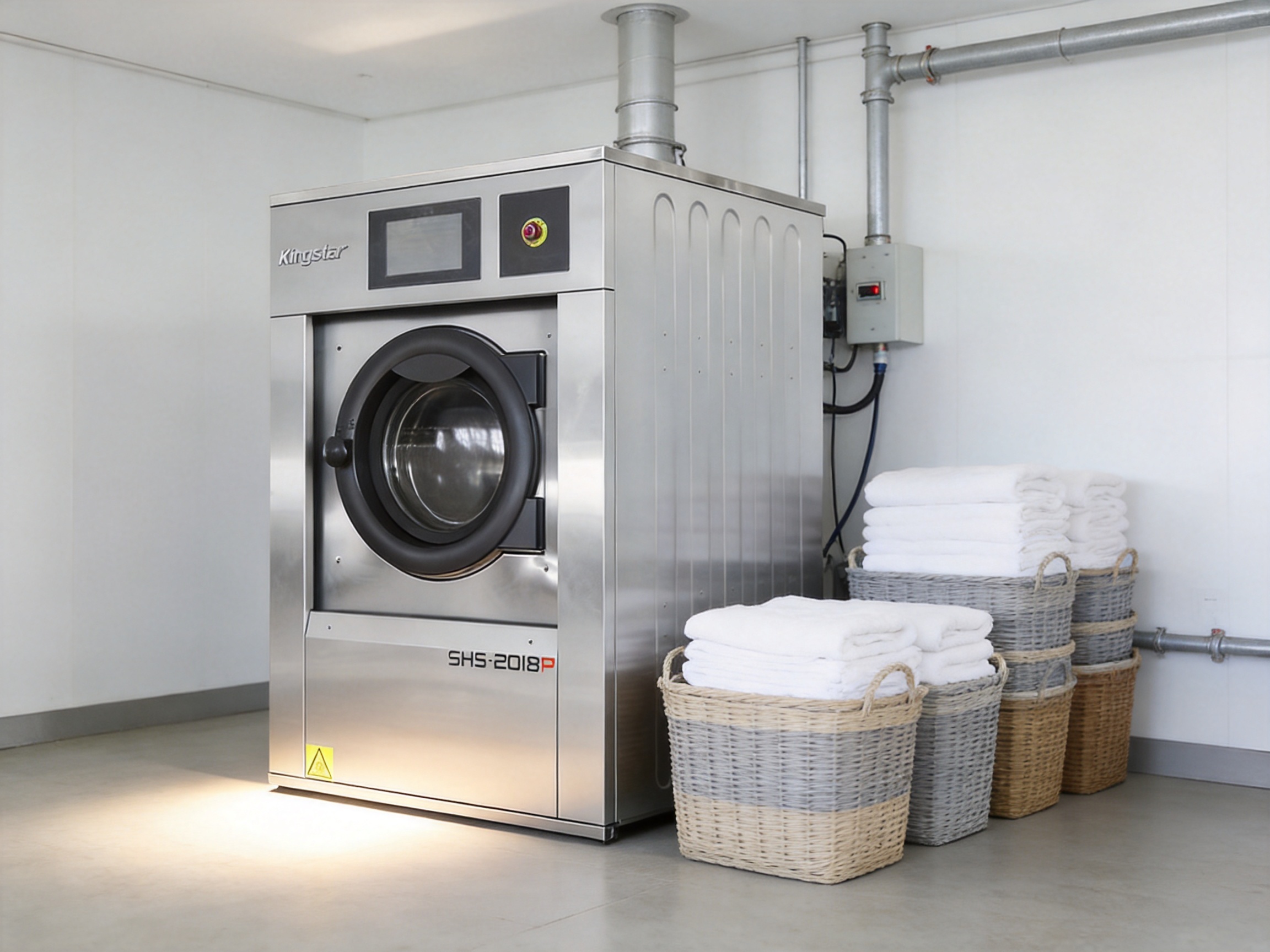
The machine is specified with 18 kW electrical heating power. Electrical heating gives operators a direct method of heating wash water when a suitable hot-water or steam supply is unavailable. This can be valuable in laundromats, smaller hotels, and facilities that require an independent installation.
The unit also lists a steam pressure range of 0.2–0.4 MPa and a hot-water inlet pressure range of 0.2–0.4 MPa. These specifications provide flexibility for facilities that use centralized boilers, hot-water systems, or steam-based laundry infrastructure. Before installation, the selected heating configuration should be confirmed with the supplier and matched to the site’s electrical capacity, steam system, plumbing design, safety requirements, and local regulations.
Using an available hot-water or steam supply may help an operation coordinate the machine with an existing utility system. Conversely, electrical heating may simplify deployment where a steam boiler is not practical. The ability to plan around different utility arrangements makes the machine suitable for a broad range of commercial installations.
Water Connections and Drainage
The listed water inlet pipe and hot-water pipe size is 27.5 mm, while the drainage pipe size is 72 mm. Correct plumbing is essential for reliable operation. Water supply pressure should remain within the stated 0.2–0.4 MPa range, and the drainage system must be capable of handling the volume and flow produced during discharge.
A properly designed drain helps prevent standing water, slow cycle completion, backflow, and unnecessary strain on the machine’s discharge system. Commercial laundry rooms should also consider floor drains, water-resistant surfaces, access to shutoff valves, and protection against accidental leaks. Installation should be completed by qualified professionals who can verify the site conditions against the machine’s technical requirements.
Practical Detergent Management
The washer-extractor is equipped with nine detergent cups. Multiple detergent compartments allow operators to organize the addition of different products during a wash program. Depending on the selected formula, these compartments may be used for prewash detergent, main-wash detergent, bleach, softener, sour, sanitizer, or other approved laundry chemicals.
Separate chemical stages can improve process consistency. Instead of manually adding products at uncertain times, operators can use designated compartments and programmed stages to repeat the same formula from load to load. Consistency is particularly important in healthcare, hospitality, food-service, and uniform applications where hygiene, appearance, and odor control are key quality indicators.
Chemical compatibility must be checked before use. Detergents, bleaches, disinfectants, and finishing agents should be dosed according to their instructions and the textile-care program. Operators should never mix incompatible chemicals in a compartment or introduce concentrated chemicals in a manner that could damage textiles, seals, or internal components.
Noise Control and Workplace Comfort
The listed noise level is no more than 70 dB. Noise performance is important in laundromats located near customer areas, hotels where service departments operate close to guest rooms, and healthcare facilities where a calmer environment is preferred. Lower noise can also improve communication and reduce fatigue for employees who spend many hours near laundry equipment.
Actual noise depends on installation quality, floor construction, load balance, machine condition, water pressure, and operating speed. A washer-extractor should be installed on a suitable, stable foundation, and loads should be distributed correctly. Overloading, underloading, or washing a highly unbalanced load can create vibration and noise even when the machine itself is properly designed.
Advantages Compared with Less Specialized Equipment
The 18kg Compact Laundromat Wet Washing Machine offers several practical advantages compared with domestic washing machines, basic low-capacity commercial washers, and separate washing systems that require manual transfer between a washer and an extractor.
Higher Commercial Productivity
Domestic machines are not normally designed for continuous commercial production. Their smaller drums, limited duty cycles, lower extraction performance, and household-oriented controls can create bottlenecks in a busy laundry room. A machine with an 18 kg capacity is better suited to regular professional loads and can reduce the number of cycles required to process the same volume.
Compared with a small commercial washer, the combination of a 180-liter drum and a 6–18 kg working range provides more useful flexibility. Businesses can handle both moderate and larger loads without immediately investing in multiple small machines. The appropriate capacity depends on the operator’s daily volume, but a single machine of this class can provide a strong foundation for a compact laundry operation.
Integrated Washing and Extraction
Separate washer and extractor equipment can provide high throughput, but it also requires additional floor space, labor, and handling. Wet textiles are heavy, and transferring them between machines exposes staff to repetitive lifting and handling tasks. An integrated washer-extractor completes the wash and extraction stages in one unit, simplifying the movement of laundry through the room.
This integrated arrangement can help reduce handling time and minimize the chance of loads being misplaced during transfer. It is particularly useful where floor space is restricted or where the laundry is managed by a small team.
More Control than Fixed-Speed Machines
Some basic machines provide only limited control over mechanical action. The SHS-2018P’s listed 10–1080 rpm speed range allows more deliberate adjustment of washing and extraction behavior. This supports a wider variety of programs and helps operators distinguish between delicate, standard, heavily soiled, and high-absorption loads.
Reduced Dependence on Dryer Capacity
High extraction performance can help reduce the amount of water that must be removed thermally. Compared with a washer that leaves textiles substantially wetter, a washer-extractor with a G factor of 400 can support more efficient downstream drying. This may reduce dryer cycle duration and improve the balance between washing and drying equipment.
Compact Installation Profile
The compact dimensions offer an advantage over larger industrial machines when the laundry room is limited by building structure or operating budget. The machine can be considered for laundromats, hotels, institutions, and service businesses that need a professional capacity but cannot accommodate a large production line.
Manufacturing Strengths and Quality-Oriented Production
The machine is supplied by Jiangsu Chuandao Intelligent Equipment Co., Ltd., a Chinese manufacturer and supplier of washing machines, laundry machinery, and commercial washer-extractors. The company’s stated business focus includes OEM and ODM commercial laundry equipment. This focus is important for distributors, project contractors, and laundry operators that require equipment adapted to different electrical standards, branding programs, installation conditions, or market requirements.
Commercial laundry equipment must be designed as a complete system rather than as a collection of unrelated components. The drum, motor, drive system, frame, door assembly, water valves, heating arrangement, detergent distribution, drainage, controls, and safety features must work together. A manufacturer specializing in laundry machinery can apply product-specific knowledge across these areas, helping ensure that capacity, extraction speed, utility connections, and overall dimensions are considered as part of one engineering design.
Application-Focused Engineering
The SHS-2018P specifications indicate attention to the practical requirements of commercial laundry applications. A 6–18 kg capacity range, a 180-liter drum, high-speed extraction, multiple detergent cups, water and hot-water connections, steam compatibility, and a defined drainage connection all address real operating conditions rather than household use alone.
Application-focused engineering also involves considering how the machine will be delivered, installed, operated, cleaned, inspected, and serviced. The product information recommends conducting a routine check when the machine arrives at the laundry room. This is an important part of professional equipment management. Buyers should inspect packaging, panels, doors, fittings, control components, accessories, and visible surfaces. If damage or missing parts are found, photographs should be taken and the manufacturer contacted immediately.
OEM and ODM Capability
OEM and ODM experience can provide advantages for international buyers. Different countries and facilities may require different voltage arrangements, language labels, control interfaces, heating systems, connection standards, documentation, and branding. A manufacturer with customization experience may be able to support project-specific requirements more effectively than a supplier that only sells a fixed standard model.
Customization should always be agreed in writing before production. Buyers should confirm the exact electrical configuration, heating method, control functions, safety requirements, accessories, spare parts, packaging, documentation, and acceptance criteria. Clear technical communication helps prevent misunderstandings and ensures that the delivered machine matches the intended laundry-room design.
Production Consistency and Inspection
Reliable commercial equipment depends on repeatable manufacturing. Consistent fabrication, accurate assembly, correct alignment, secure electrical connections, suitable sealing, and careful inspection all contribute to long-term performance. For a washer-extractor, mechanical balance and structural integrity are especially important because the drum operates at high speed during extraction.
A professional manufacturing process should include checks of key assemblies before shipment. These may include inspection of the drum and door, verification of motor and drive components, testing of water and drainage paths, confirmation of heating-related components, electrical safety checks, and operational testing. The exact inspection program should be confirmed with the supplier, but buyers should request appropriate factory test records when purchasing equipment for a commercial project.
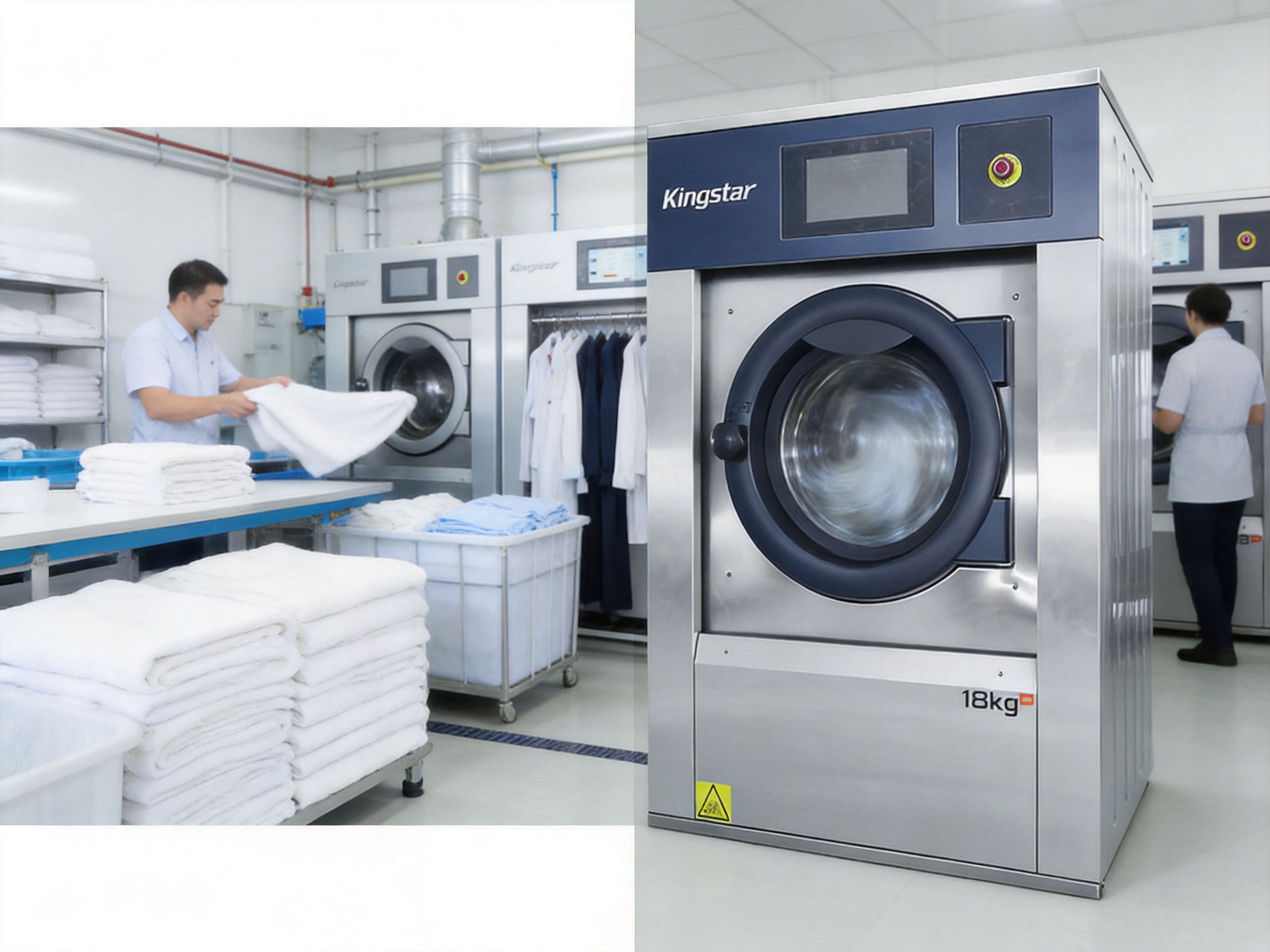
Applications Across Commercial Sectors
Laundromats
In a self-service or attended laundromat, customers value short processing times, clear operation, reliable equipment, and visible cleanliness. An 18 kg washer-extractor can serve customers with large family loads, bedding, blankets, towels, and workwear. Its compact profile can help laundromat owners provide higher-capacity service without sacrificing too much customer or folding space.
For attended laundries, the nine detergent cups and adjustable speed range can support standardized wash formulas. Staff can create repeatable programs for everyday garments, heavily soiled items, towels, or other common load types.
Hotels and Resorts
Hotels generate a continuous flow of sheets, pillowcases, towels, bathrobes, uniforms, and housekeeping textiles. A washer-extractor with an 18 kg capacity can serve as part of an on-premise laundry system or as a supplementary machine during busy periods.
The high extraction speed is especially useful for towels and other absorbent items, while adjustable mechanical action can help accommodate delicate guest linens. The machine’s compact dimensions may also suit service areas where a larger industrial washer cannot be installed.
Healthcare and Senior-Care Facilities
Healthcare and senior-care facilities require controlled laundry procedures, careful separation of loads, and repeatable chemical programs. The product’s multiple detergent cups can help organize wash chemistry, while the flexible capacity range supports different categories of textiles.
Healthcare operators must establish their own validated hygiene procedures and confirm that the equipment configuration is suitable for applicable regulations. Machine capacity alone does not guarantee disinfection or infection-control performance; water temperature, chemical concentration, contact time, rinsing, handling, and staff procedures must all be controlled.
Restaurants and Food-Service Operations
Restaurants, catering companies, and food-processing businesses wash aprons, kitchen towels, table linen, uniforms, and other textiles that may carry grease or food residues. The machine can support programmed prewash and main-wash stages, and the high extraction performance can help prepare textiles for faster drying.
Operators should use formulas appropriate for food-service textiles and should separate heavily contaminated items when necessary. Correct chemical selection and temperature control remain essential for cleaning performance.
Uniform and Workwear Services
Uniform rental companies, factories, workshops, and maintenance contractors often process garments exposed to dust, oil, soil, and industrial residues. The adjustable speed range can help operators select more vigorous washing for durable workwear and gentler treatment for garments requiring additional care.
Before washing specialized protective clothing, the laundry manager should follow the garment manufacturer’s instructions. Some protective finishes, reflective materials, flame-resistant treatments, or waterproof coatings may require specific formulas and temperatures.
Installation Planning
Successful operation begins with a suitable installation site. The floor must be capable of supporting the machine’s 426 kg weight as well as the dynamic forces created during operation. The location should be level, stable, accessible, and appropriate for commercial laundry equipment.
Electrical planning is particularly important because the machine is listed with a 380 V supply and up to 18 kW electrical heating power. The facility should provide correctly rated wiring, protection devices, grounding, isolation, and connection equipment in accordance with local electrical codes. A qualified electrician should verify the actual site supply before the machine is connected.
Water supply pressure should be maintained within the specified 0.2–0.4 MPa range. If the pressure is too low, filling performance may be affected. If the pressure is too high, valves and plumbing components may be exposed to unnecessary stress. Filtration may be advisable where the local water supply contains sediment or suspended particles.
The drainage system should be designed around the 72 mm drainage connection and the expected discharge volume. Drain lines should be routed to prevent kinks, restrictions, backflow, and standing water. The room should also have appropriate ventilation, lighting, floor drainage, and access for service personnel.
Operating Practices for Consistent Results
Operators should sort laundry by textile type, color, soil level, and required hygiene standard. Loads should be weighed or estimated carefully so that the machine is not overloaded. Overloading can restrict mechanical action, reduce detergent distribution, increase creasing, and place additional stress on the drive system. Underloading can contribute to imbalance during extraction.
Detergent and chemical quantities should be matched to the load size, water hardness, soil level, and selected temperature. Excess detergent does not necessarily improve cleaning and may create residue, excessive foam, additional rinsing requirements, or fabric problems. Insufficient detergent may leave soils and odors behind.
Before starting a cycle, operators should check pockets, remove objects that could damage the drum, close zippers where appropriate, and confirm that the load is suitable for wet washing. The door should be closed securely, and the program should be selected according to the textile-care requirements.
At the end of the cycle, the load should be removed promptly when practical. Leaving damp textiles inside the machine for extended periods can encourage odor development and increase wrinkling. The drum, door glass, detergent areas, and surrounding surfaces should be cleaned regularly as part of the facility’s housekeeping procedure.
Maintenance and Service Considerations
Preventive maintenance helps protect the investment and supports predictable production. Operators should establish daily, weekly, and periodic inspection routines. Daily checks may include the door seal, detergent cups, drum condition, visible leaks, unusual noise, control operation, and cleanliness.
Periodic maintenance may include inspection of water hoses, drain connections, electrical terminals, drive components, bearings, seals, filters, and structural fasteners. The exact service intervals depend on usage, water quality, detergent chemistry, operating environment, and the manufacturer’s instructions.
Unusual vibration, repeated imbalance, abnormal sounds, slow filling, slow drainage, water leakage, heating faults, or inconsistent extraction should be investigated promptly. Continuing to operate equipment with a known fault can increase damage and create safety risks. Repairs should be performed by appropriately trained technicians using suitable replacement parts.
Delivery Inspection and Commissioning
When the machine is transported from the manufacturer to the laundry room, the buyer should conduct a routine receiving inspection. The packaging should be checked for impact, moisture, punctures, distortion, or signs of mishandling. After unpacking, the machine should be inspected for visible damage, missing accessories, loose components, and discrepancies between the shipment and the order.
Photographs should be taken if a problem is found. The buyer should contact the manufacturer or supplier immediately and retain relevant shipping documents, packaging evidence, purchase records, and inspection notes. Prompt reporting supports a clearer investigation and can simplify claims relating to transportation damage or missing components.
Commissioning should include verification of the foundation, electrical supply, water pressure, hot-water or steam connections, drainage, door operation, emergency functions, and basic washing and extraction performance. Operators should receive instruction on loading, chemical use, program selection, cleaning, and routine maintenance before the machine enters full production.
Why Choose This Washer-Extractor for a Compact Commercial Operation?
The strongest value of the 18kg Compact Laundromat Wet Washing Machine is the balance between capacity and installation efficiency. It provides a professional 18 kg maximum load in a body designed for locations where space matters. Its 180-liter drum supports commercial textile volumes, while its 6 kg minimum operating range makes it more adaptable to varying daily demand.
The 10–1080 rpm speed range gives users control over both washing action and extraction. The 400 G factor supports strong water removal before drying. The nine detergent cups support structured chemical dosing. The 18 kW electrical heating option and defined steam and hot-water specifications provide flexibility when planning utilities. A listed noise level of no more than 70 dB contributes to a more comfortable working environment.
Compared with less specialized equipment, the machine is positioned to support higher productivity, more consistent programs, easier workflow organization, and better use of downstream drying resources. Its value is greatest when it is installed correctly, loaded appropriately, maintained on schedule, and operated with carefully developed wash formulas.
Questions and Answers
What is the maximum capacity of the machine?
The maximum listed capacity is 18 kg. The specified operating range is 6–18 kg, allowing the machine to process both medium and full commercial loads.
What is the model number?
The model number is SHS-2018P.
What is the drum volume?
The drum volume is listed as 180 liters. The inner drum diameter and depth are specified as 750 × 410 mm.
What is the maximum extraction speed?
The maximum listed washing and extraction speed is 1080 rpm. The speed range begins at 10 rpm, allowing different levels of mechanical action to be selected.
What does a G factor of 400 mean?
The G factor describes the centrifugal force applied during extraction. A factor of 400 indicates strong mechanical water removal, which can help reduce the moisture remaining in textiles before drying. Actual results depend on load composition, fabric type, program settings, and proper loading.
What electrical supply does the machine require?
The listed voltage is 380 V. Electrical installation must be verified by a qualified professional and matched to the machine configuration, local regulations, and available site power.
Does the machine use electrical heating?
The specifications list 18 kW electrical heating power. The machine also lists a steam pressure range of 0.2–0.4 MPa and a hot-water inlet pressure range of 0.2–0.4 MPa. Buyers should confirm the intended heating arrangement before ordering and installation.
How many detergent compartments are provided?
The product information lists nine detergent cups. These can support organized dosing of different laundry chemicals according to the facility’s wash formulas.
Is the machine suitable for laundromats?
Yes. Its 18 kg capacity, compact dimensions, high extraction performance, and flexible operating range make it suitable for many laundromat applications. The installation must have the required electrical, water, drainage, and service provisions.
Can it be used in hotels or healthcare facilities?
It can be considered for hotel, institutional, and healthcare laundry applications. However, each facility must establish appropriate textile-handling, chemical, temperature, hygiene, and validation procedures. The machine should be selected and configured according to the specific operational and regulatory requirements.
How large is the machine?
The listed overall dimensions are 950 × 905 × 1465 mm. Additional clearance should be provided for operation, maintenance, door movement, plumbing, electrical access, and safe staff movement.
How much does the machine weigh?
The listed weight is 426 kg. The floor and installation foundation must be able to support the equipment and the dynamic forces generated during operation.
What should be checked when the machine arrives?
The buyer should inspect the packaging, external panels, door, drum, connections, accessories, and visible components. If damage or missing items are discovered, photographs should be taken and the manufacturer or supplier should be contacted immediately.
How can operators obtain the best performance?
Operators should avoid overloading, sort textiles correctly, use suitable wash formulas, dose chemicals accurately, select appropriate speeds, clean the machine regularly, and follow a preventive maintenance schedule. Proper installation and staff training are equally important.
Conclusion
The 18kg Compact Laundromat Wet Washing Machine is a practical commercial washer-extractor for businesses that need meaningful washing capacity without the footprint of a larger industrial system. Its 6–18 kg capacity range, 180-liter drum, 1080 rpm maximum extraction speed, and 400 G factor address the central requirements of professional laundry production: flexible loading, effective washing, and efficient moisture removal.
The machine also provides utility and workflow flexibility through its electrical heating option, steam and hot-water specifications, nine detergent cups, compact dimensions, and listed noise level of no more than 70 dB. These features can help laundromats, hotels, healthcare facilities, restaurants, and uniform-service operations organize a more efficient laundry process.
Jiangsu Chuandao Intelligent Equipment Co., Ltd. brings a laundry-machinery focus and OEM/ODM orientation to the product. For commercial buyers, this supports a project-based approach in which capacity, utilities, operating conditions, documentation, and customization requirements can be reviewed together. The final performance of any washer-extractor depends on correct installation, suitable formulas, responsible operation, and regular maintenance, but the SHS-2018P provides a strong technical foundation for compact professional laundry rooms.
References
1. Product technical information for the SHS-2018P 18kg Compact Laundromat Wet Washing Machine.
2. Commercial laundry equipment planning and installation principles.
3. General washer-extractor operation, loading, extraction, and textile-care practices.
4. Industrial laundry chemical handling and preventive maintenance guidelines.
5. General electrical, plumbing, drainage, and workplace safety requirements for commercial laundry installations.
Product: 18kg Compact Laundromat Wet Washing Machine

ADD:No.388 Xinggang Road, Chongchuan District, Nantong City, 226000, Jiangsu Province, China.
-
Phone: +86-13917089379
-
Tel:+86-13917089379
-
Fax:+86-0513-85663366
-
E-mail:louislu@kingstarlaundry.com
products