英语
英语 俄语
俄语 西班牙语
西班牙语 德语
德语
Home / Author / Suyin Huo — Regional Sales Executive / 60kg Automatic Washer Extractor: High-Capacity Performance for Professional Laundry Operations

Kingstar is your trusted partner for industrial and commercial laundry equipment. We specialized in the R&D and manufacturing of high-end industrial washers, commercial washers and dryers. Meanwhile, we provide global clients with comprehensive planning, layout workflow design, and software-hardware integration services for smart laundry plants.
Suyin Huo — Regional Sales Executive
Oct 14,2026
60kg Automatic Washer Extractor: High-Capacity Performance for Professional Laundry Operations
Industrial laundry operations require equipment that can process large volumes of textiles consistently, safely, and economically. A washer extractor is one of the most important machines in that workflow because it must perform several demanding tasks in a single production cycle. It needs to wet and wash textiles thoroughly, remove soil and chemical residues, extract excess water efficiently, protect fabrics from unnecessary stress, and remain dependable through repeated daily use. For hospitals, hotels, textile rental companies, commercial laundries, uniform providers, and other professional facilities, the choice of washer extractor directly influences productivity, labor requirements, energy consumption, and final textile quality.
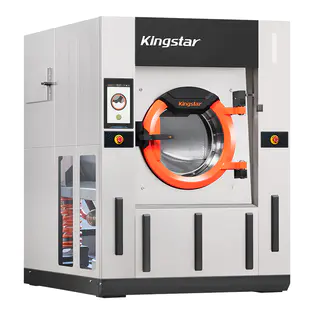
The 60kg Automatic Washer Extractor is designed for facilities that need industrial capacity without sacrificing process control. With a rated capacity of 60kg, a 600-liter drum volume, a maximum speed of 815 revolutions per minute, and a G factor of 400, the machine is built to handle substantial textile loads while supporting effective water removal. Its 380V electrical configuration, 7.5kW power rating, programmable automatic operation, and multiple utility connections make it suitable for structured commercial and industrial laundry systems.
The machine is manufactured by Jiangsu Chuandao Intelligent Equipment Co., Ltd., a Chinese laundry machinery producer serving professional users and OEM/ODM markets. According to the supplied product information, the equipment uses high-end imported spare parts, skilled manufacturing technology, and a high-strength construction approach. The complete machine is supported by a three-year warranty, with replacement parts provided free of charge if components are damaged within the warranty period, subject to the manufacturer’s warranty terms.
This article examines the machine’s technical specifications, operating value, construction strengths, manufacturing approach, installation requirements, maintenance considerations, and suitability for different laundry applications. It also explains how the 60kg format can provide practical advantages over smaller commercial machines and over less capable industrial systems.
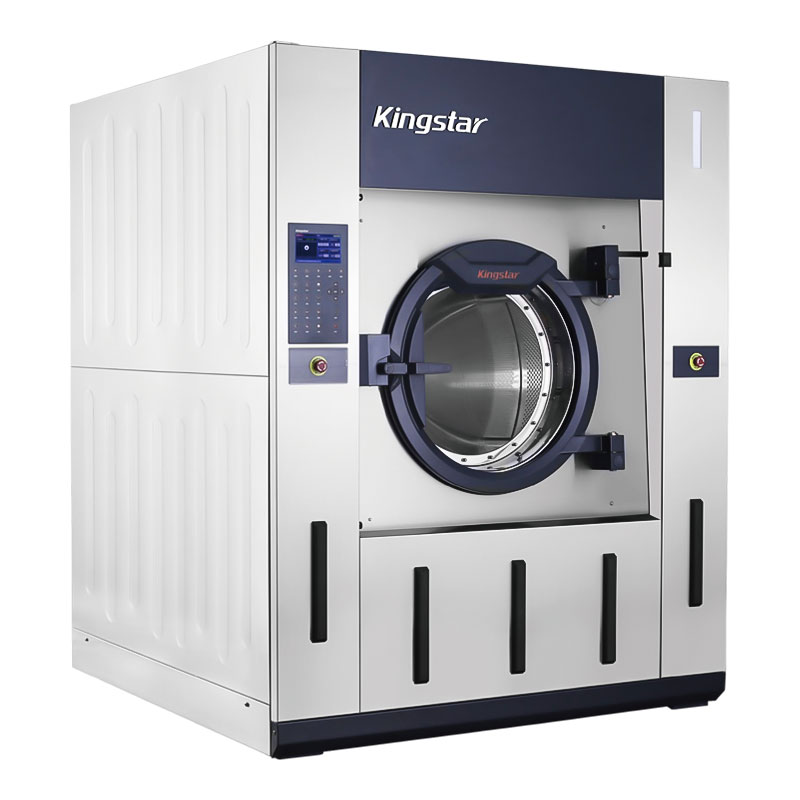
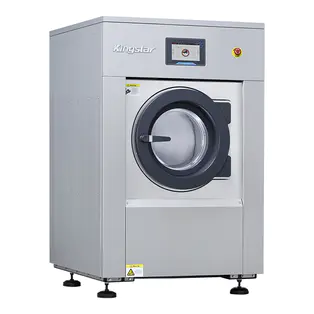
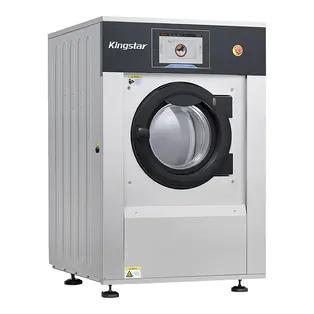
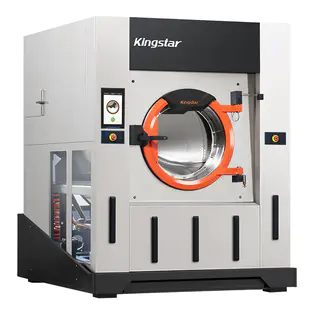
60kg Automatic Washer Extractor
Why a 60kg Washer Extractor Matters in Modern Laundry Operations
Capacity is a central consideration when selecting industrial laundry equipment. A machine that is too small may force operators to run many additional cycles, increasing labor time, water consumption, chemical usage, and equipment wear. A machine that is too large may not be economical for facilities with moderate but regular production volumes. The 60kg class offers a useful middle-to-large capacity for organizations that need industrial output while maintaining manageable loading, unloading, and scheduling requirements.
A 60kg nominal load allows operators to process substantial quantities of bed linen, towels, uniforms, workwear, healthcare textiles, restaurant linen, and other washable materials in a single batch. The exact load should always be adjusted according to textile type, moisture absorption, bulk density, soil level, and the recommended loading ratio. Dense fabrics and bulky articles may require a lower practical load than lightweight flatwork. Even so, the capacity provides a significant production advantage over small commercial washers commonly limited to approximately 10kg, 15kg, 20kg, or 30kg.
Industrial capacity also supports more consistent workflow planning. A hotel laundry can group room linen into predictable batches. A hospital laundry can separate textiles according to department, contamination risk, and washing program. A uniform service provider can process garments by customer account or textile category. By assigning appropriate loads to a high-capacity machine, managers can create more repeatable production schedules and reduce the number of manual interventions required during the day.
The 600-liter drum volume is particularly relevant for professional applications. Drum volume determines how textiles move through the wash liquor and how much space is available for lifting, tumbling, rinsing, and extraction. Adequate internal volume can help prevent excessive compression of textiles, allowing water and detergent solution to circulate more effectively. It also gives operators greater flexibility when processing mixed textile loads, although loads should still be sorted carefully by fabric type, color, finishing requirements, and soil classification.
Core Technical Specifications
The following table summarizes the principal information supplied for the 60kg Automatic Washer Extractor. Users should confirm final electrical, dimensional, utility, and installation details with the manufacturer before placing an order or preparing a facility.
| Specification | Value | Operational Significance |
|---|---|---|
| Model | SHS-2060, 60kg | Identifies the high-capacity washer extractor configuration |
| Voltage | 380V | Suitable for compatible three-phase industrial electrical systems |
| Rated capacity | 60kg | Supports large commercial and industrial textile batches |
| Drum volume | 600L | Provides substantial space for washing and textile movement |
| Maximum speed | 815rpm | Supports high-speed water extraction after rinsing |
| Motor power | 7.5kW | Provides drive power for washing and extraction operations |
| Steam pressure | 0.4–0.6MPa | Defines the specified steam supply range where steam heating is used |
| Water inlet pressure | 0.2–0.4MPa | Defines the required incoming water pressure range |
| Noise level | ≤70dB | Indicates the stated operating noise limit |
| G factor | 400 | Represents strong centrifugal extraction performance |
| Steam pipe | DN25 | Specifies the nominal steam connection size |
| Water inlet pipe | DN40 | Specifies the nominal main water connection size |
| Hot water pipe | DN40 | Specifies the nominal hot water connection size |
| Drain pipe | DN110 | Supports discharge of used wash and rinse water |
| Drum diameter | 1080mm | Indicates the internal drum diameter |
| Drum depth | 680mm | Indicates the stated internal drum depth |
| Machine weight | 2600kg | Reflects the substantial industrial construction |
| Dimensions | 1702 × 0538 × 2025mm as supplied | Must be confirmed before layout and installation |
The dimensions in the supplied specification are written as “1702 × 0538 × 2025mm.” Because the middle measurement contains a leading zero and may represent a formatting issue, purchasers should request a confirmed dimensional drawing before designing doorways, service clearances, foundations, loading areas, or transport routes.
Automatic Operation for More Consistent Production
Automatic control is one of the most important differences between basic washing equipment and a modern industrial washer extractor. Manual operation requires staff to monitor water levels, washing time, rinsing stages, temperature, chemical dosing, and extraction settings. This creates opportunities for inconsistent results and increases the amount of attention required for every load. An automatic washer extractor can standardize the sequence so that operators can manage production more efficiently.
Automatic operation is especially valuable where several employees work different shifts. A repeatable program helps reduce variations caused by personal operating habits. When the same program is used for comparable textile categories, the facility can improve process consistency from one batch to the next. This can be important for hotels that want uniform linen appearance, hospitals that require carefully controlled washing procedures, and rental laundries that need repeatable results for multiple customers.
Automatic washing also helps managers organize labor. Operators can load the machine, select the appropriate process, verify the utility connections, and move on to sorting, folding, finishing, or packing tasks while the cycle is in progress. The machine does not eliminate the need for trained supervision, but it can reduce continuous manual control and make the overall workflow more productive.
Program selection should always reflect the textile and its care instructions. Cotton sheets, terry towels, healthcare garments, industrial workwear, delicate fabrics, and heavily soiled uniforms should not necessarily be washed under the same conditions. Water temperature, wash duration, mechanical action, chemical concentration, rinse count, and extraction speed should be matched to the textile category. Automatic control provides the structure for this approach, while professional operators remain responsible for selecting safe and effective parameters.
High-Speed Extraction and the Value of a G Factor of 400
Washing removes soil, but extraction determines how much water remains in the textile before drying or finishing. The 60kg Automatic Washer Extractor has a stated maximum speed of 815rpm and a G factor of 400. The G factor expresses the relative centrifugal force applied to the textile during extraction. A higher extraction force can remove more water, provided that the textile, load balance, machine structure, and program settings are appropriate.
Effective extraction offers several practical advantages. First, it can shorten dryer operating time because less moisture remains in the load. Second, it may reduce thermal energy consumption during drying. Third, it can increase the throughput of the complete laundry line because textiles reach the drying or finishing stage more quickly. Fourth, lower residual moisture can improve the efficiency of subsequent processes such as flatwork ironing, garment finishing, and towel folding.
Extraction performance should not be judged by rotational speed alone. Drum diameter, drum design, load distribution, drive power, suspension or mounting configuration, control logic, and structural rigidity all contribute to the final result. The combination of a 1080mm drum diameter, 815rpm maximum speed, and stated G factor of 400 provides a specification profile intended for serious industrial production rather than occasional light-duty use.
Operators should avoid overloading or underloading the machine because an unsuitable load can create imbalance, vibration, or uneven extraction. Textiles should be distributed as evenly as possible, and articles with different moisture absorption characteristics should be grouped thoughtfully. Heavy towels, dense uniforms, and lightweight sheets may behave differently during extraction. Proper sorting and loading protect the machine while improving the repeatability of results.
Industrial Construction and Long-Term Service Potential
Industrial laundry equipment operates in a demanding environment. It is exposed to water, heat, detergent, alkaline chemistry, disinfectants, vibration, repeated acceleration and deceleration, and frequent loading cycles. A machine intended for this environment must be designed with durability in mind. The supplied product description emphasizes high-strength construction and states that the equipment is designed to provide a 20-year service life under appropriate conditions.
A long service-life objective can provide important economic value. Industrial users do not evaluate equipment only by its purchase price. They also consider the expected operating period, maintenance requirements, spare-parts availability, downtime risk, energy consumption, labor impact, and replacement cost. A robust machine that continues to operate reliably over many years may offer a lower total cost of ownership than a lower-priced machine that requires frequent repairs or early replacement.
The machine’s stated weight of 2600kg reflects its substantial industrial scale. A heavy structure can contribute to stability during washing and extraction, although final performance also depends on the foundation, installation method, load balance, and correct commissioning. The installation surface must be capable of supporting the equipment and the dynamic forces generated during operation. Professional installation is recommended, especially for high-capacity machines connected to steam, hot water, pressurized water, drainage, and industrial electrical systems.
The three-year whole-machine warranty is another important purchasing consideration. According to the supplied information, if parts are damaged within three years, the manufacturer will replace the parts free of charge. Buyers should clarify the precise warranty terms, including exclusions, labor coverage, transportation responsibilities, installation requirements, consumable components, misuse provisions, and response procedures. Nevertheless, a three-year warranty provides a substantial period of support and can reduce perceived risk for commercial buyers.
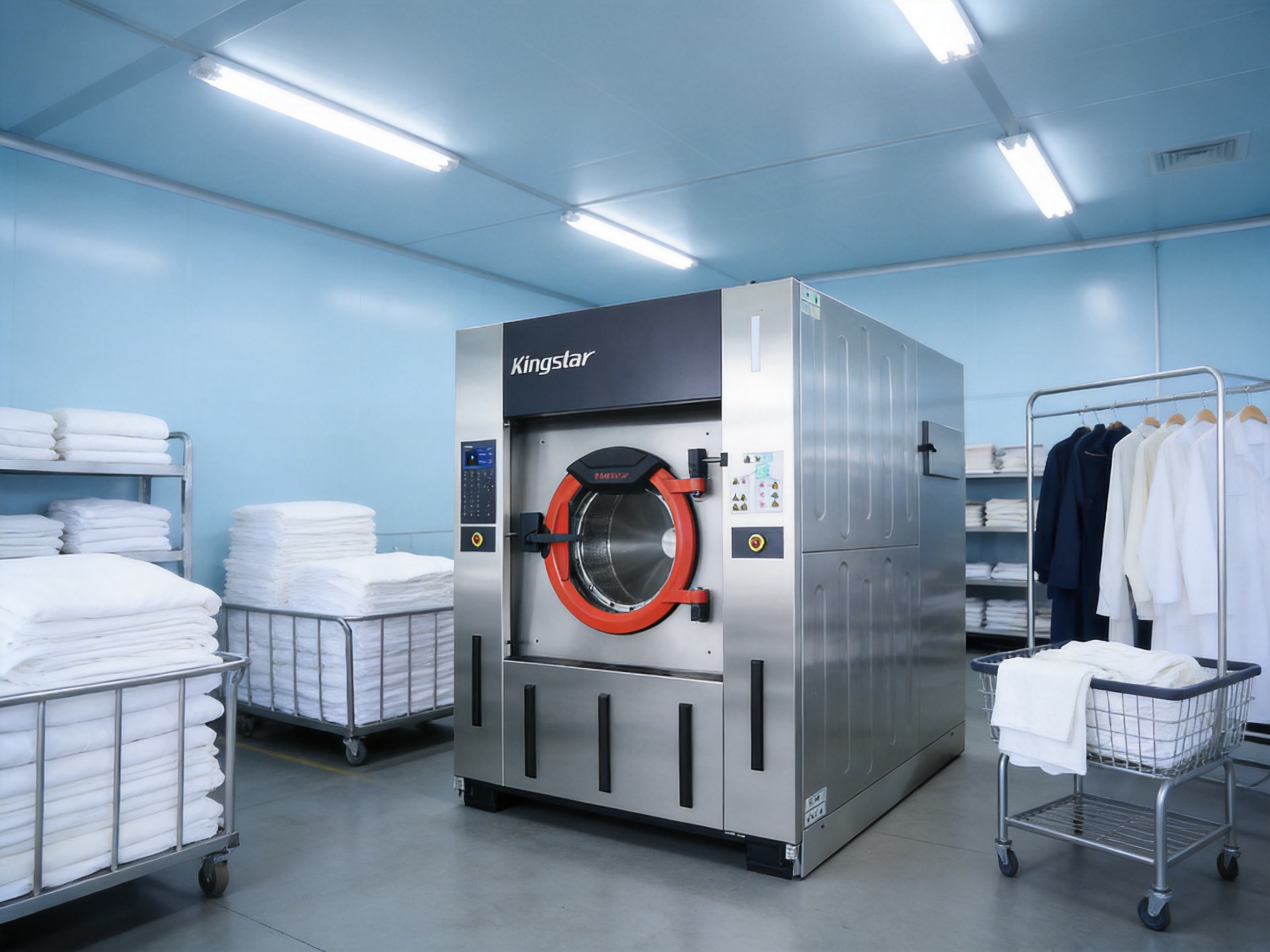
Imported Components and Controlled Manufacturing
The manufacturer states that the washer extractor uses high-end imported spare parts. Component quality can influence the reliability of a machine in several areas, including electrical control, drive operation, water management, heating, safety interlocking, and serviceability. Carefully selected components can also make maintenance more predictable when the equipment is operated in a demanding production environment.
Imported components alone do not determine machine quality. They must be integrated into a well-designed system and installed correctly within a carefully manufactured frame, drum, drive assembly, piping layout, control cabinet, and safety structure. The value of the manufacturing process lies in the relationship between individual components and the complete machine. A strong industrial design must ensure that the components work together under repeated loads, changing temperatures, moisture exposure, and high-speed extraction conditions.
The supplied company information also highlights skilled manufacturing technology. This suggests an emphasis on production experience, assembly accuracy, fabrication quality, and process knowledge. In heavy laundry machinery, manufacturing accuracy can affect drum alignment, door sealing, bearing life, drive performance, vibration behavior, and the service life of welded or bolted structures. A machine may contain excellent individual components, but their performance can be undermined by poor assembly or insufficient quality control.
A professional manufacturing process generally includes material preparation, structural fabrication, drum and shell production, surface treatment, component installation, electrical assembly, piping connection, control-system inspection, mechanical alignment, and functional testing. The exact internal procedures should be confirmed directly with the manufacturer. Purchasers may request information about material grades, welding standards, inspection records, factory testing, control components, spare-parts support, and commissioning procedures as part of their technical evaluation.
For international buyers, manufacturing strength also includes the ability to communicate specifications accurately and support different project requirements. Laundry facilities may need particular electrical frequencies, door configurations, heating methods, dosing interfaces, drainage arrangements, language settings, or OEM labeling. A manufacturer with OEM/ODM experience can be better positioned to discuss these requirements before production and help align the equipment with the customer’s site conditions.
Advantages Compared with Smaller Commercial Washers
The most obvious advantage of the 60kg model over smaller commercial washers is batch capacity. A facility processing large quantities of linen can reduce the number of cycles required each day. Fewer cycles may mean less loading and unloading labor, fewer program starts, and a simpler production schedule. This is especially useful when laundry demand is concentrated into specific periods, such as hotel morning collection, hospital shift changes, or uniform-service delivery schedules.
The larger drum volume also provides greater flexibility for bulky textiles. Towels, blankets, work jackets, and other high-volume items can be difficult to manage in small drums because they occupy substantial space even when their weight remains within the rated capacity. A 600-liter drum provides more room for controlled textile movement and can help operators process these articles in more practical batches.
The stated G factor of 400 can provide a further advantage over basic commercial washers with weaker extraction capabilities. When more water is removed during the wash cycle, the dryer receives a less saturated load. This can reduce the time needed for thermal drying and improve the throughput of the laundry department. The benefit is most noticeable in facilities where drying is a production bottleneck or where energy costs represent a significant part of operating expenses.
Industrial construction is another differentiating factor. Smaller machines designed for lighter duty may not be intended for continuous high-volume operation. The 60kg unit is positioned for professional use, with a high machine weight, high-capacity drum, industrial utility connections, and a structure intended for repeated production cycles. This makes it a better match for facilities that cannot afford frequent interruptions or limited daily output.
Advantages Compared with Less Efficient Industrial Systems
Not all industrial washer extractors deliver the same balance of capacity, extraction, automation, and service support. A machine with a similar rated capacity may still have a lower extraction force, less flexible utility configuration, weaker construction, more manual controls, or a shorter warranty. The 60kg model’s combination of 600-liter volume, 815rpm maximum speed, G factor of 400, and automatic operation creates a strong technical profile for facilities seeking dependable production performance.
The stated noise level of no more than 70dB is also relevant in a working laundry environment. Industrial laundries are often busy spaces with multiple machines operating simultaneously. Managing noise can improve the working environment, support clearer communication, and reduce the acoustic burden on operators. Actual noise levels can vary according to installation, foundation, load balance, building acoustics, and operating conditions, so the stated value should be evaluated under the manufacturer’s test conditions.
The available steam, hot water, and water inlet connections allow the machine to be integrated into different facility utility systems. Steam pressure is specified at 0.4–0.6MPa, while water inlet pressure is specified at 0.2–0.4MPa. The DN25 steam connection and DN40 water and hot water connections provide clear reference points for engineering and installation planning. The DN110 drain connection is appropriate for the substantial water discharge associated with a machine of this capacity, although the complete drainage system must be designed to prevent backflow, flooding, or slow discharge.
These features do not mean that every facility will achieve identical results. Performance depends on water quality, chemical formulation, textile composition, utility stability, operator training, preventive maintenance, and correct installation. However, the machine provides a technical foundation for a high-throughput laundry process and can be evaluated against competing systems using measurable specifications rather than purchase price alone.
Applications Across Commercial and Institutional Laundry Markets
Hotels and Resorts
Hotels and resorts generate large volumes of sheets, pillowcases, towels, bathrobes, table linen, staff uniforms, and other washable items. Demand can change according to occupancy, season, events, and housekeeping schedules. A 60kg washer extractor can help centralize the processing of regular linen batches and support rapid turnaround between collection, washing, drying, finishing, and redistribution.
For hotels, consistent washing is important because guests expect clean, bright, fresh-smelling, and well-finished textiles. Operators can establish dedicated programs for white bed linen, terry towels, colored staff uniforms, and heavily soiled housekeeping items. High extraction performance can also support faster delivery to the drying and finishing departments, helping the hotel maintain sufficient linen inventory during periods of high occupancy.
Hospitals and Healthcare Facilities
Hospitals require careful textile segregation, documented processes, and strict attention to hygiene. Bedding, patient garments, operating-room textiles, staff uniforms, and cleaning materials may require different procedures. The automatic format can help standardize programmed washing sequences, while the 60kg capacity supports the high textile volumes generated by healthcare operations.
The machine itself does not replace a hospital’s infection-control procedures. Healthcare operators must follow local regulations, validated disinfection protocols, chemical supplier instructions, textile-care requirements, and facility-specific separation practices. The washer extractor should be integrated into a complete hygienic laundry workflow that includes receiving, sorting, washing, drying, finishing, storage, and clean-textile distribution.
Industrial Workwear and Uniform Services
Industrial workwear can contain oil, grease, dust, metal particles, food residues, or other difficult soils. Uniform rental companies and industrial laundries often need equipment that can process durable garments repeatedly while supporting customer-specific programs. A 60kg machine can be used for grouped workwear loads, helping operators organize production by customer, soil category, garment type, or required finishing process.
Workwear washing must be performed according to fabric construction, garment labeling, protective finish requirements, and chemical compatibility. Excessive temperature, unsuitable chemistry, or overly aggressive mechanical action can damage reflective strips, waterproof finishes, flame-resistant treatments, or garment seams. Programmable automatic operation provides the flexibility to establish different cycles for different garment categories.
Restaurants, Food Processors, and Catering Operations
Commercial kitchens and food-processing facilities wash tablecloths, aprons, kitchen uniforms, wiping cloths, and other textiles that may contain food oils, grease, starch, or protein-based soils. Effective pre-sorting and suitable chemical programs are important for achieving reliable results. The washer extractor’s large capacity can help food-service laundry operations process these materials in organized batches while maintaining separation between textile categories.
Textile Rental and Central Laundry Plants
Central laundry plants and textile rental businesses depend on predictable throughput. Their equipment may operate for many cycles every day, making durability, extraction, utility efficiency, and service response especially important. The 60kg format can serve as a production unit within a larger laundry line or as the principal washer extractor for a medium-sized facility.
Installation Planning and Utility Requirements
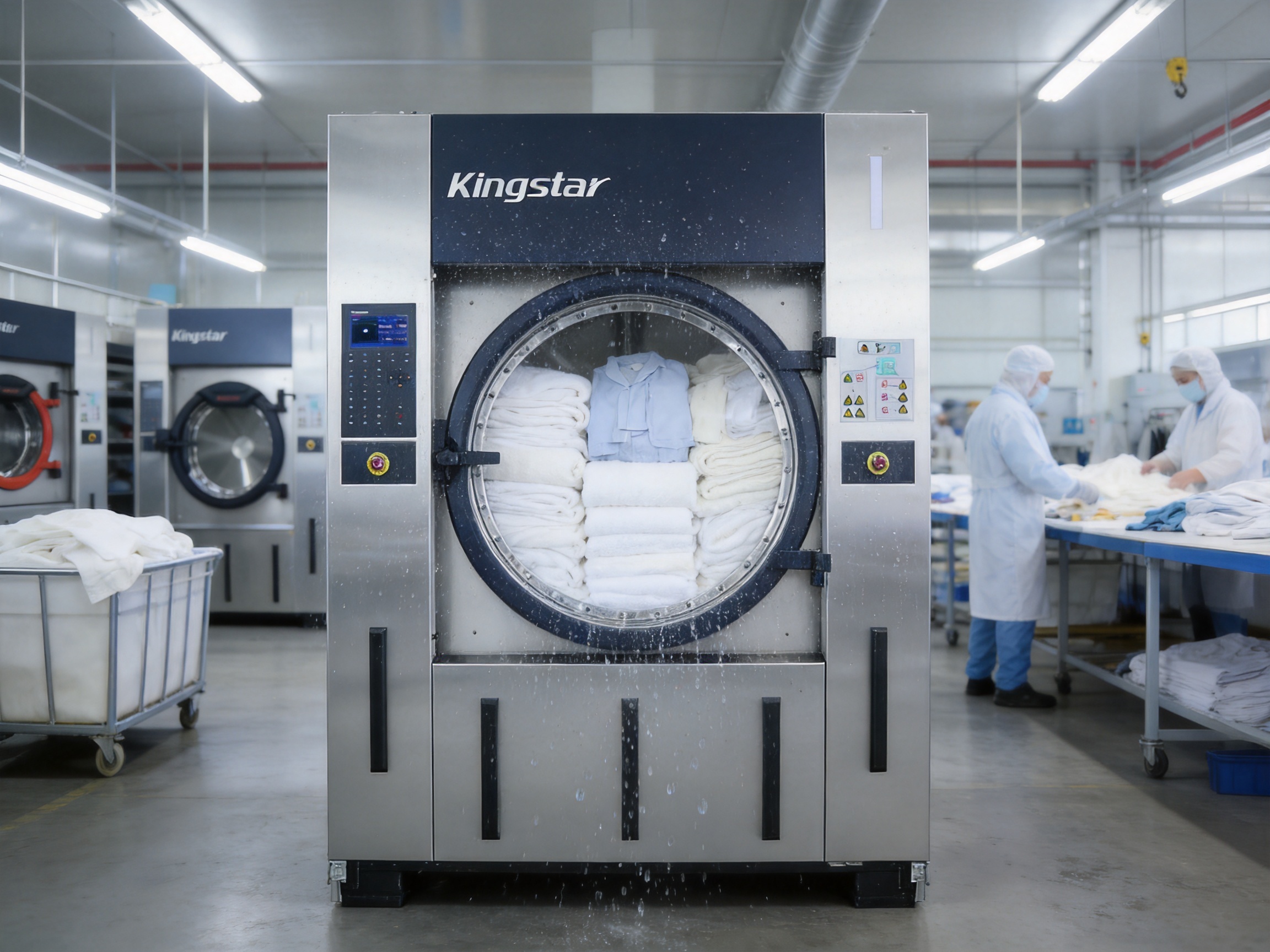
Successful performance begins before the machine arrives. Buyers should prepare a complete installation plan based on the confirmed technical drawing and the actual conditions of the laundry site. The plan should account for machine dimensions, transport access, lifting equipment, service clearances, foundation requirements, drainage, electrical supply, steam or hot water availability, ventilation, chemical dosing, and operator movement.
The listed voltage is 380V. This should be checked against the facility’s available electrical system, phase configuration, frequency, short-circuit protection, grounding method, and local electrical regulations. An authorized electrician should verify cable sizing, disconnect protection, control-panel requirements, and emergency isolation provisions. The machine should not be connected to an unsuitable or unstable power supply.
Steam users must provide a supply within the specified 0.4–0.6MPa range and use the specified DN25 connection as a reference for piping design. Steam systems require appropriate isolation valves, pressure control, condensate management, safety devices, insulation, and installation by qualified personnel. If a facility uses another heating arrangement, compatibility should be confirmed with the manufacturer before ordering.
The water inlet pressure is specified at 0.2–0.4MPa. Water quality should also be evaluated. Hard water, high mineral content, suspended solids, or corrosive conditions can affect valves, heating surfaces, detergent performance, and textile results. Filtration, water softening, or treatment may be appropriate depending on local water conditions and the chemical program.
Both the DN40 water inlet and DN40 hot water connection should be planned according to the facility’s utility layout. The pipe system must supply sufficient flow during filling and rinsing without excessive pressure drops. Isolation valves should be accessible for maintenance. Flexible connections or vibration-control measures may be needed where appropriate, but the final arrangement should follow the manufacturer’s installation instructions.
The DN110 drain connection must be connected to a drainage system capable of receiving high volumes of wastewater. The drainage route should be sized to prevent standing water and should include the necessary traps, vents, inspection access, and safeguards required by local plumbing regulations. Wastewater temperature and chemical composition should also be considered when selecting drain materials.
Because the machine weighs approximately 2600kg, the floor and foundation deserve particular attention. The site engineer should verify structural capacity and consider dynamic forces during acceleration and extraction. The machine must be leveled accurately, and any anchoring or mounting system should be installed according to the manufacturer’s instructions. Improper foundation preparation can contribute to vibration, noise, premature component wear, and reduced extraction performance.
Maintenance Practices for Reliable Operation
Preventive maintenance protects the investment and supports consistent textile quality. Operators should establish a maintenance schedule based on cycle frequency, water quality, chemical exposure, and manufacturer recommendations. Daily checks may include door seals, visible leaks, drain conditions, detergent connections, unusual noise, and error indications. The drum, loading area, and surrounding surfaces should be kept clean to prevent residue accumulation.
Door seals and gaskets should be inspected for cuts, hardening, chemical damage, or embedded objects. A damaged seal can cause leaks and may allow moisture to reach areas that should remain protected. Operators should avoid closing the door on garments, packaging materials, or other objects that can compromise the seal.
Drainage components should be checked regularly. Slow drainage may indicate a blocked filter, restricted pipe, or insufficient downstream capacity. A blocked drain can extend cycle times, reduce rinsing quality, and create operating hazards. Any filter or trap should be cleaned according to the manufacturer’s procedure and only after the machine has been made safe.
Electrical cabinets, control components, motors, bearings, drive elements, valves, and steam-related components should be inspected by qualified technicians. Maintenance personnel should follow lockout and isolation procedures before opening protective covers or entering service areas. Steam, electrical power, hot water, and residual mechanical energy can all present serious hazards.
Load balance is also a form of preventive maintenance. Repeatedly processing badly distributed loads can increase vibration and stress on the drive system, bearings, frame, and foundation. Operators should avoid washing a single heavy article by itself unless the machine program and manufacturer instructions permit it. Proper sorting and distribution improve both textile treatment and machine longevity.
Energy and Workflow Considerations
Energy efficiency in a laundry is influenced by more than the rated motor power. Water temperature, fill levels, cycle design, extraction performance, dryer efficiency, textile moisture retention, and operator behavior all affect total consumption. The 7.5kW power rating identifies the machine’s stated motor power, but actual electrical consumption depends on the operating cycle and connected heating system.
The G factor of 400 can support a more efficient downstream process by reducing residual moisture. In many laundry operations, drying is more energy-intensive than washing because removing water thermally requires substantial heat. If high-speed extraction lowers the moisture content before drying, the dryer may require less time to reach the desired final condition. The actual savings depend on textile type, starting moisture, dryer design, ambient conditions, and selected settings.
Water management is another important consideration. Automatic programs can be configured for appropriate wash and rinse stages rather than relying on excessive water use. However, water savings should never compromise required cleaning, rinsing, or hygiene outcomes. The correct balance depends on textile soil, detergent chemistry, water hardness, and the operating standards of the facility.
Workflow design can multiply the value of the machine. The washer extractor should be positioned so that dirty-textile receiving, sorting, washing, drying, finishing, and clean storage follow a logical flow. In healthcare settings, clean and soiled areas may require physical separation. In hotel laundries, carts and folding stations should be arranged to minimize unnecessary handling. A technically capable machine performs best when integrated into an efficient production system.
Safety and Operator Training
High-capacity laundry equipment must be operated only by trained personnel. Operators should understand loading limits, program selection, door-lock behavior, emergency stops, chemical handling, utility isolation, imbalance response, and routine inspections. Training should cover both normal operation and abnormal conditions such as leaks, excessive vibration, unusual sounds, incomplete drainage, or control alarms.
The door should never be forced open while the drum is moving or while water remains at an unsafe level. Operators should wait for the control system to complete the appropriate release sequence. Safety interlocks are important protective features and must never be bypassed or disabled. Any malfunction affecting a door lock, emergency stop, guard, or interlock should be reported and repaired before further use.
Chemical handling requires separate attention. Detergents, alkalis, bleaches, disinfectants, and neutralizers can be hazardous if mixed incorrectly or exposed to skin and eyes. Chemical suppliers’ safety data sheets and dosing instructions should be followed. Automatic dosing systems, if used, must be connected correctly and calibrated to prevent overdosing, underdosing, or incompatible chemical mixing.
Operators should also understand textile care. A high-capacity machine can process many articles, but the wrong program can damage fabrics or finishes. Sorting, label review, stain assessment, and appropriate loading are essential. Training should be refreshed periodically, especially when new staff join the laundry or new textile categories are introduced.
Purchasing and Project Evaluation
When comparing the 60kg Automatic Washer Extractor with competing equipment, buyers should evaluate the complete operating proposition rather than focusing on capacity alone. Important questions include the actual usable capacity for different textiles, extraction performance, noise, utility requirements, control flexibility, installation support, warranty coverage, spare-parts availability, service response, and expected production life.
Prospective buyers should request a complete technical package before final approval. This may include a dimensional drawing, foundation requirements, electrical diagram, utility connection diagram, installation manual, operation manual, maintenance schedule, spare-parts list, warranty terms, and commissioning checklist. The supplied dimensions should be confirmed because the written measurement includes a leading zero in the width value.
It is also useful to calculate the expected return on investment. The calculation can include daily textile volume, current labor hours, cycle count, water use, chemical usage, dryer time, energy price, downtime cost, and expected equipment life. A larger washer extractor may justify its purchase through higher throughput, lower handling labor, improved extraction, and fewer production interruptions.
For OEM and project-based customers, communication before production is especially important. Buyers should confirm branding requirements, control language, electrical standards, heating method, door arrangement, packaging, shipping conditions, spare-parts strategy, and after-sales support. The manufacturer’s stated OEM/ODM capability may be useful for customers developing complete laundry solutions or supplying equipment under a private label.
Manufacturing Strength and Supplier Support
Jiangsu Chuandao Intelligent Equipment Co., Ltd. is identified in the supplied materials as the manufacturer of the equipment. The company is located in Nantong, Jiangsu Province, China, and supplies laundry machinery for industrial and commercial applications. Its product range includes industrial washing machines, hospital washing machines, industrial dryers, commercial washer extractors, stacked washer and dryer systems, stack dryers, and commercial dryers.
This broader product range can be valuable for customers planning more than one machine. A supplier with multiple laundry equipment categories may be able to support a complete processing line instead of supplying an isolated washer. Coordinating washers, dryers, extraction capacity, loading volumes, utility systems, and production stages can simplify project planning and reduce compatibility concerns.
The manufacturer’s emphasis on imported components, skilled manufacturing technology, high-strength construction, and a three-year warranty presents a competitive foundation for industrial buyers. The stated 20-year service-life objective further indicates that the machine is intended as a long-term production asset rather than a short-term appliance. As with any major equipment purchase, customers should validate these claims through technical documentation, reference installations, factory communication, and contract terms.
Supplier support is particularly important for industrial equipment because the purchase does not end when the machine is delivered. Operators may need installation guidance, commissioning support, troubleshooting, replacement parts, maintenance advice, and program recommendations. A manufacturer capable of responding clearly and supplying the correct parts can help reduce downtime and preserve the value of the equipment over its working life.
Frequently Asked Questions
What is the rated capacity of this washer extractor?
The rated capacity is 60kg. The machine is identified as model SHS-2060 and is intended for high-volume commercial and industrial laundry applications. The practical load should be adjusted according to textile type, bulk, moisture absorption, and the recommended loading ratio.
What is the drum volume?
The stated drum volume is 600 liters. This provides substantial internal space for washing, rinsing, tumbling, and extraction of large textile batches.
What is the maximum extraction speed?
The maximum stated speed is 815rpm. The machine also has a stated G factor of 400, indicating strong centrifugal extraction capability when the load, program, and installation conditions are appropriate.
How does high extraction benefit a laundry?
High extraction can remove more water before drying. This may shorten dryer cycle times, reduce thermal energy requirements, improve production throughput, and support faster finishing of sheets, towels, uniforms, and other textiles.
What electrical supply does the machine require?
The supplied specification lists a voltage of 380V. The facility’s phase, frequency, protection, grounding, and cable requirements should be confirmed with the manufacturer and a qualified electrician before installation.
Does the machine use steam?
The specification includes a steam pressure range of 0.4–0.6MPa and a DN25 steam pipe connection. Buyers should confirm whether their selected configuration uses steam heating and should prepare the required valves, safety devices, condensate management, and piping.
What water pressure is required?
The listed water inlet pressure is 0.2–0.4MPa. The water supply must also provide adequate flow, suitable quality, and reliable connection to the DN40 inlet and hot water piping where applicable.
What is the stated noise level?
The stated operating noise level is no more than 70dB. Actual sound may vary according to foundation quality, load balance, room acoustics, machine condition, and operating conditions.
What warranty is provided?
The supplied product information states that the complete machine has a three-year warranty. It also states that damaged parts will be replaced free of charge within three years. Buyers should obtain the complete written warranty terms, including coverage limitations and service procedures.
Is the machine suitable for hospitals?
The 60kg capacity, automatic operation, and industrial construction can suit hospital laundry applications. However, healthcare facilities must integrate the machine into validated infection-control procedures, textile segregation systems, chemical protocols, and local regulatory requirements.
Can the machine process hotel linen and towels?
Yes, its capacity and drum volume are suitable for hotel linen, towels, bedding, uniforms, and related textiles. Programs should be selected according to fabric type, soil level, color, finishing requirements, and care labels.
What should be confirmed about the dimensions?
The supplied dimensions are written as 1702 × 0538 × 2025mm. Because the middle value includes a leading zero and may reflect a formatting issue, customers should request an official dimensional drawing before preparing the installation site.
What foundation is needed?
The machine weighs approximately 2600kg, so the floor or foundation must support both its static weight and operating forces. A qualified engineer should review the installation surface, and the manufacturer’s anchoring and leveling instructions should be followed.
Can the machine be used with automatic chemical dosing?
Automatic dosing may be possible depending on the selected configuration and control system. The buyer should confirm available dosing interfaces, signal requirements, chemical compatibility, and programming procedures with the manufacturer and chemical supplier.
How can operators extend service life?
Operators should avoid overloading, maintain proper load balance, inspect seals and drains, follow preventive maintenance schedules, use compatible chemicals, monitor abnormal vibration, and arrange qualified service for electrical, mechanical, steam, and control-system work.
Conclusion
The 60kg Automatic Washer Extractor is designed for professional laundry facilities that require substantial capacity, dependable extraction, controlled automatic operation, and long-term industrial service. Its 600-liter drum, 815rpm maximum speed, G factor of 400, 7.5kW power rating, and high-strength construction provide a strong platform for processing hotel linen, hospital textiles, uniforms, workwear, towels, restaurant linen, and other commercial laundry loads.
Its advantages over smaller commercial machines include higher batch capacity, better suitability for bulky textiles, fewer cycles for high-volume production, and more efficient integration with industrial drying and finishing systems. Compared with less capable industrial equipment, the combination of automatic control, stated extraction performance, 70dB noise specification, substantial construction, imported components, and a three-year warranty gives buyers several measurable factors for comparison.
The best results will depend on correct installation, professional utility planning, suitable foundation preparation, disciplined loading, appropriate wash programs, preventive maintenance, and trained operators. Buyers should also confirm the final dimensional drawing, electrical configuration, heating method, warranty terms, spare-parts support, and commissioning arrangements before purchase.
For organizations seeking to modernize a commercial or institutional laundry, this machine can serve as a high-capacity core unit within a wider washing, drying, finishing, and textile-management system. Its combination of production scale and long-term service objectives makes it a practical candidate for facilities that value throughput, repeatable results, and industrial durability.
References
1. Manufacturer-provided product specification for the SHS-2060 60kg Automatic Washer Extractor.
2. Manufacturer-provided information regarding construction, imported components, warranty coverage, and expected service life.
3. General principles of industrial laundry process planning, textile sorting, washing, extraction, drying, and finishing.
4. General engineering practices for commercial laundry electrical, water, steam, drainage, foundation, and safety preparation.
5. General preventive-maintenance practices for high-capacity washer extractors and industrial laundry machinery.
Product: 60kg Automatic Washer Extractor

ADD:No.388 Xinggang Road, Chongchuan District, Nantong City, 226000, Jiangsu Province, China.
-
Phone: +86-13917089379
-
Tel:+86-13917089379
-
Fax:+86-0513-85663366
-
E-mail:louislu@kingstarlaundry.com
products